Adnan Çoker: The Artist of Abstraction on Black

Adnan Çoker: The Artist of Abstraction on Black

His works speak a visual language that is unmistakably his own. One of the timeless figures of Turkish painting, Adnan Çoker transforms balance and geometry into new forms within an abstract spatial dimension. His academic career and enthusiasm for discovering himself and his art in different parts of the world add cultural depth to an artistic practice that grows richer with each passing year. This is, of course, his distinctive signature.

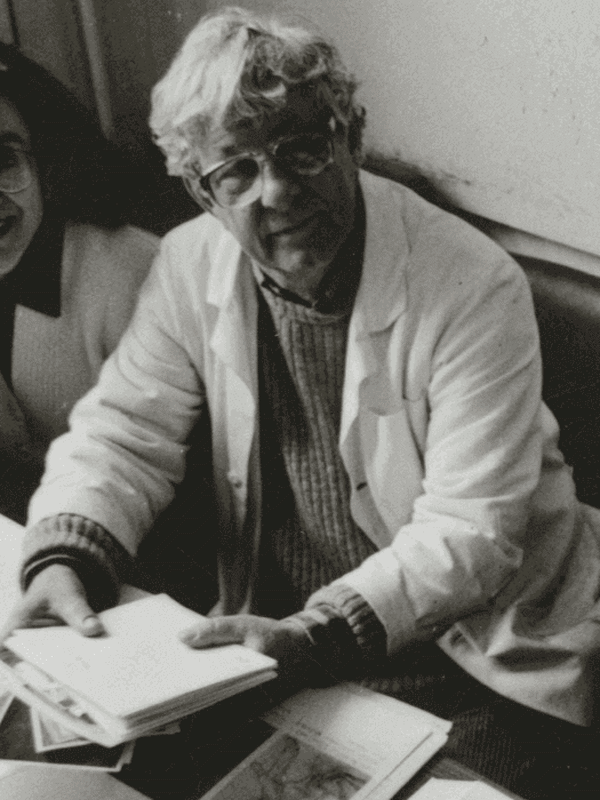
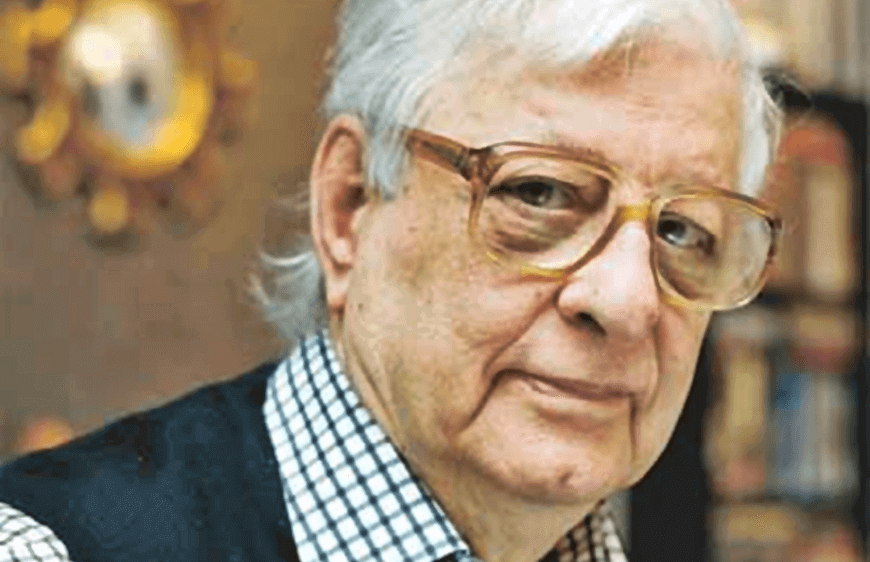
A defining figure in painting and a master of abstraction, Adnan Çoker spent his years with an enduring appetite for the diversity of art. His journey is the inspiration for this article. Born in 1927 in Istanbul's Süleymaniye district, he grew up in a place shaped by the richness of many civilisations. At the Academy of Fine Arts, he was proud to study under the renowned painter Şefik Bursalı, and he also worked for many years in Zeki Kocamemi's studio. After completing the academy's advanced painting programme, he worked for a time as a cartographer in Ankara and Istanbul.Following his first exhibition, “Sergi Öncesi”, in Ankara in 1953, another Ankara exhibition in 1954 and an Istanbul exhibition in 1955, he could no longer resist the desire to travel abroad. A state scholarship awarded through a competition in 1955 took him to Paris. He worked in the studios of André Lhote and Henri Goetz, conducted research in museums in Spain, Belgium and the Netherlands, and gained further knowledge in Italy and Switzerland.

Following art across different geographies

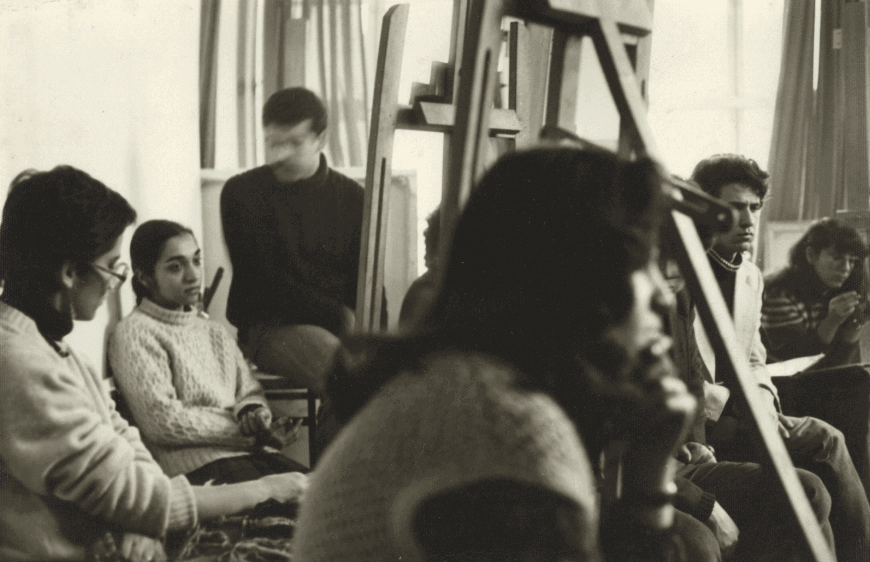
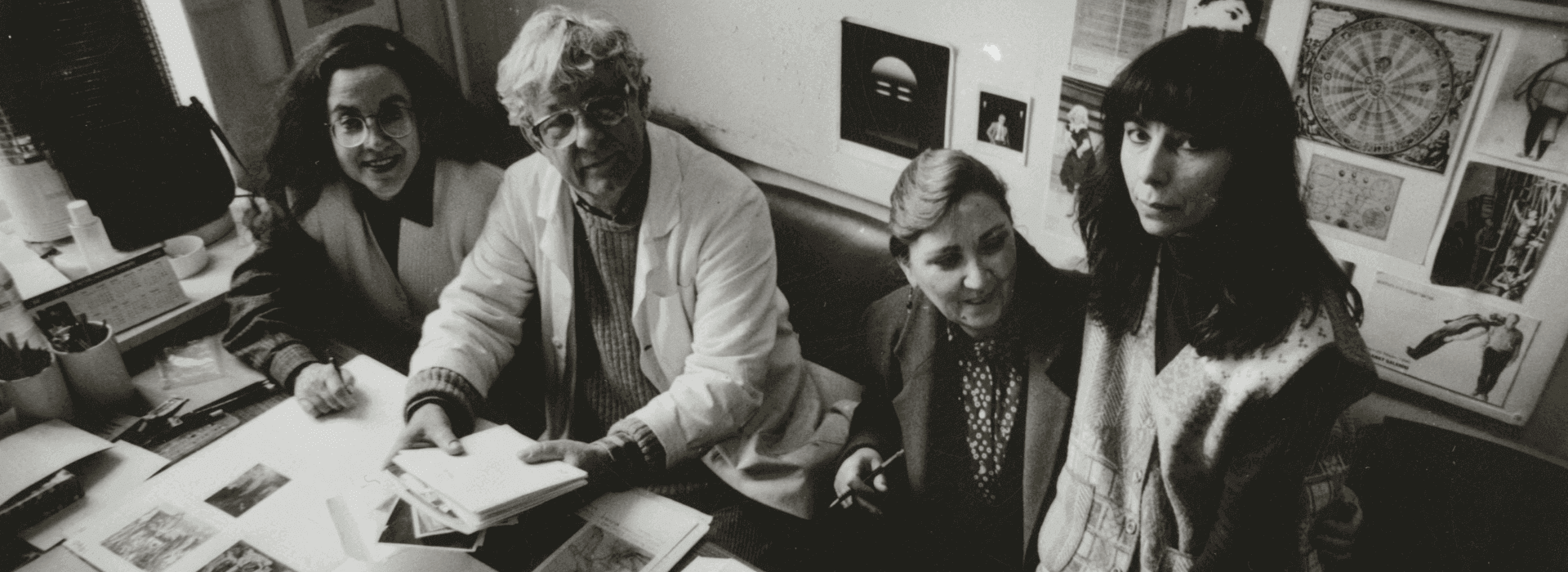
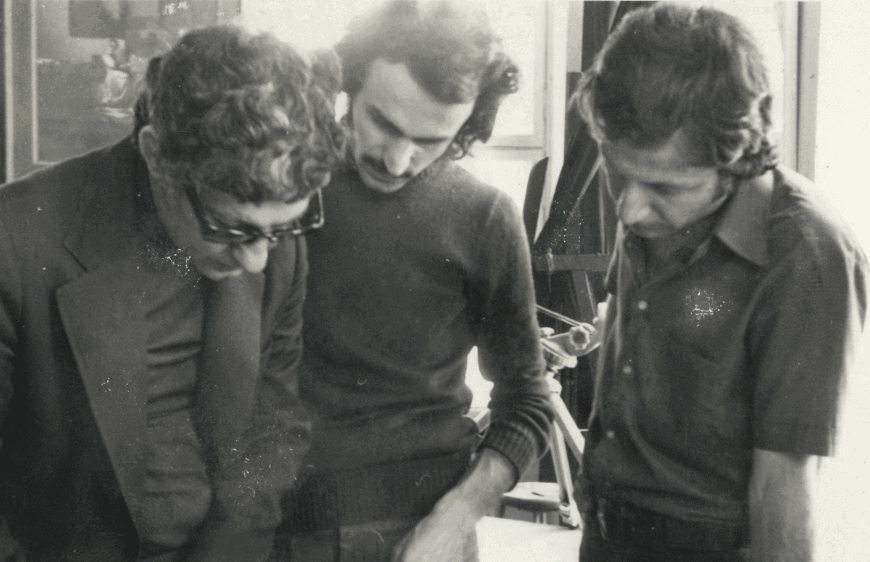
After five years of study, he returned to Istanbul and became an assistant in the Painting Department of the Academy of Fine Arts, his alma mater. At Istanbul's German Cultural Centre, he presented the experience he had gained abroad in an exhibition entitled “Paris Studies”. During the same period, he and his colleagues also organised painting performances accompanied by music at the academy.Recognition for his work followed. He won first prizes at the Istanbul Festival Painting and Sculpture Exhibition in 1961 and the 23rd State Exhibition in 1962. In 1962, he also held an exhibition of gouache paintings. He went on to establish the “Mavi Grup” (Blue Group) with fellow artists Altan Gürman, Sarkis, Devrim Erbil and Tülay Tura, each an important figure in the art world.
Years enriched by exhibitions

A year later, a scholarship from France took him back to Paris. This period included printmaking studies in Hayter's studio, painting at the Goetz Academy and work in Vedova's studio at the Salzburg Summer Academy. He returned to Türkiye in 1966. While serving as a lecturer in the Advanced Painting Department of the State Academy of Fine Arts, he continued to exhibit his work.In 1968, he travelled to Hungary as the organiser of the Turkish Graphic Art Exhibition in Budapest. By 1970, a new chapter in Adnan Çoker's artistic life had begun. Two striking exhibitions in Istanbul, “Black Paintings” and “Black Symmetry”, brought his work to new attention. Presenting pieces in oil, acrylic, engraving and pastel, he created an exhibition setting accompanied by electronic music.

A closer look at Adnan Çoker’s art

Adnan Çoker's artistic practice can be considered in two distinct periods: before and after 1970. In the years leading up to 1970, traces of abstract expressionism are evident in his paintings. Towards the end of this period, his free use of colour evolved into a more geometric, sharply defined abstraction, marking the beginning of a new phase.His work earned awards at the DYO Exhibition in 1973 and the Alexandria Biennale in 1976. From 1983 to 1985, he headed the Painting Department of the Faculty of Fine Arts at Mimar Sinan University. In 1990, he received the Friendship, Peace and Art Award at the 3rd Asia-Europe Biennale.

Rooted in geometry and cultural connections

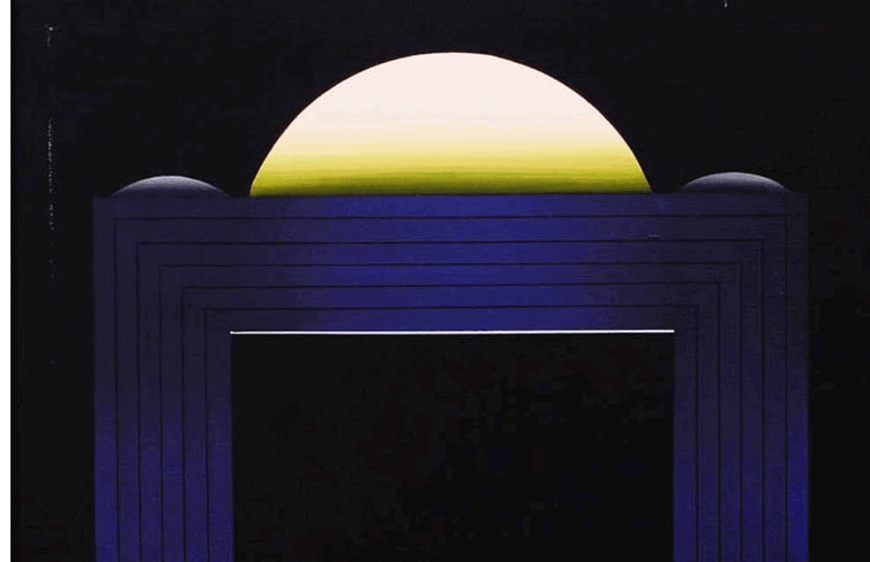
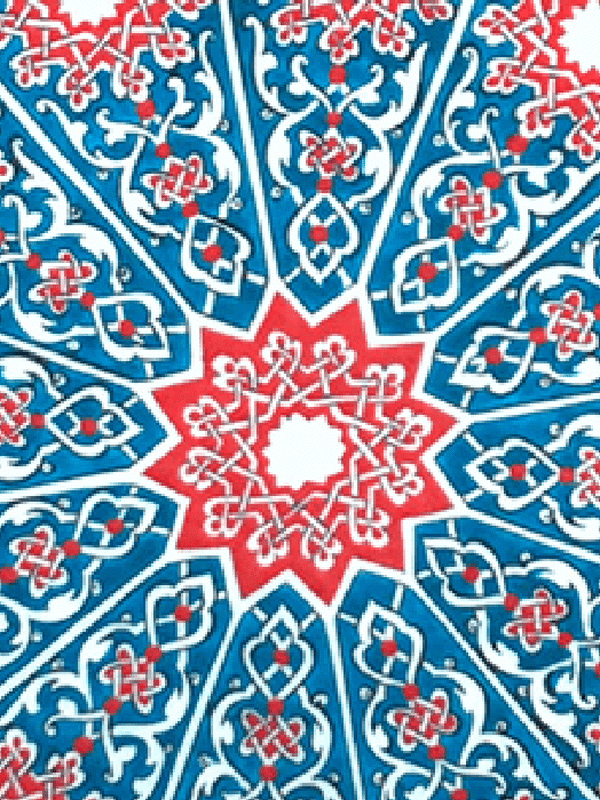
Drawing inspiration from the structure of traditional architecture and expressing it through abstraction, his work reflects a multifaceted artistic approach rooted in simplicity. Symmetrical elements, decisive forms and a considered sense of balance define Adnan Çoker's visual language. Black underlines his compositions, integrating with their architectural lines. Evoking a psychological utopia, his works balance this rigorous order with roots in Seljuk and Ottoman architecture and the civilisations of Anatolia.

Mekanınızı yapay zeka ile birkaç saniyede yenileyin!

Mekanınızı yapay zeka ile birkaç saniyede yenileyin!

Seçtiğiniz ürünü evinizde görün.

Evinde Gör

Banyonuzu yeniden tasarlamaya ne dersiniz?

Banyoda Gör

Blog

Explore All

Compare

Compare
Compare