Embracing the Naturalism Trend in Living Spaces

Embracing the Naturalism Trend in Living Spaces

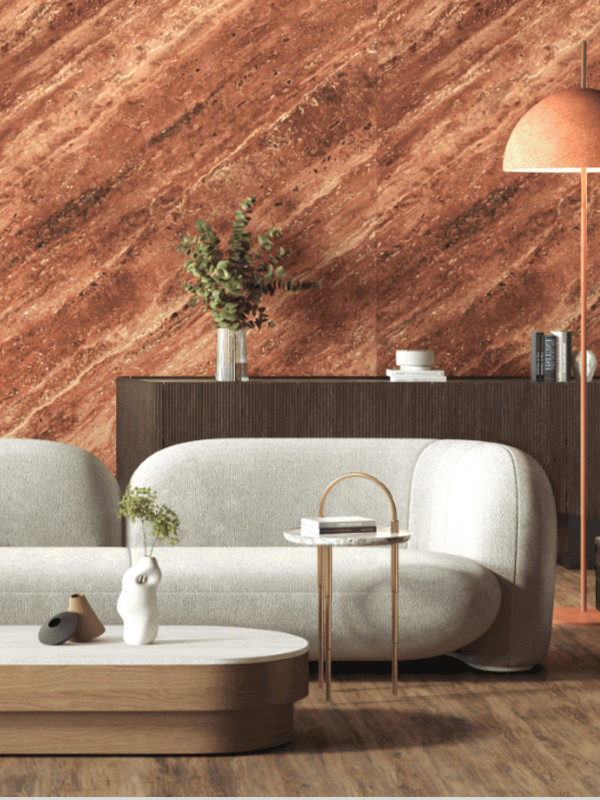
Creating living spaces that do not change with passing trends may be one of the most important directions of our century. One style can guide you towards such a home: naturalism. Let us explore how to design our homes and offices in its spirit.

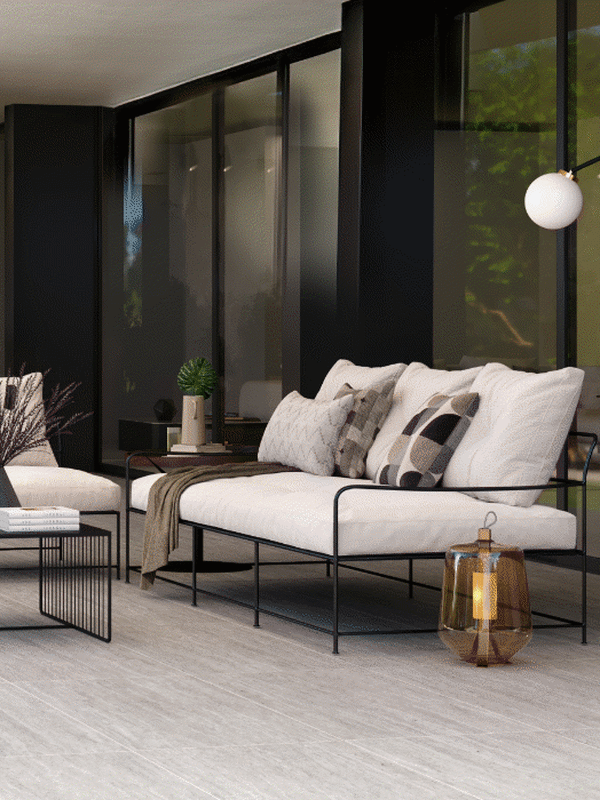
We should not think of our living spaces as separate from the outside world. Remembering our deep connection and harmony with the planet we were born into, we need not look far to create interiors that are peaceful, calm and responsive to our needs. Nature, to which we always return, has much to offer indoors too.Naturalism is a sustainable choice whose look and style can remain relevant for many years. With materials drawn from nature and details shaped by naturalness, it emphasises thoughtful spaces closely aligned with human nature. Read on to discover how and where to create these dynamic, airy interiors filled with positive feelings.
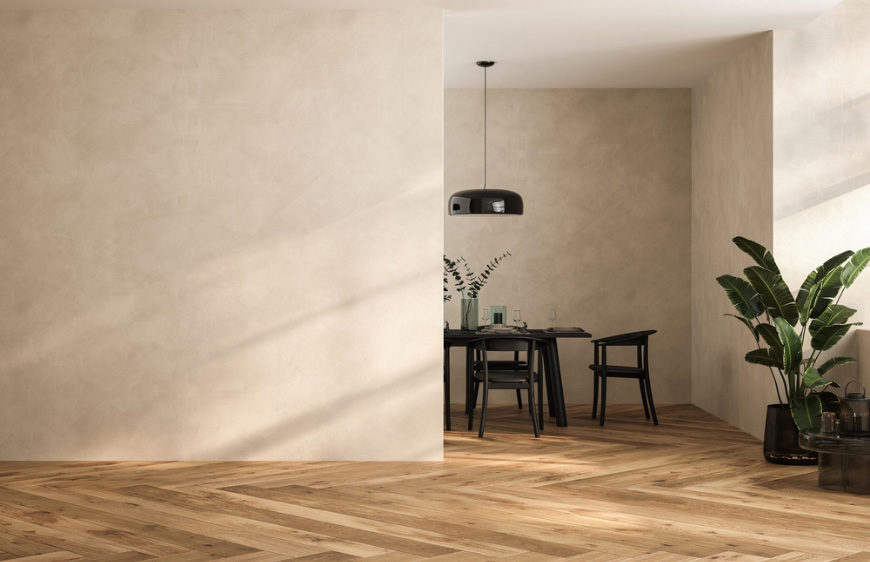
The key to naturalism: wood

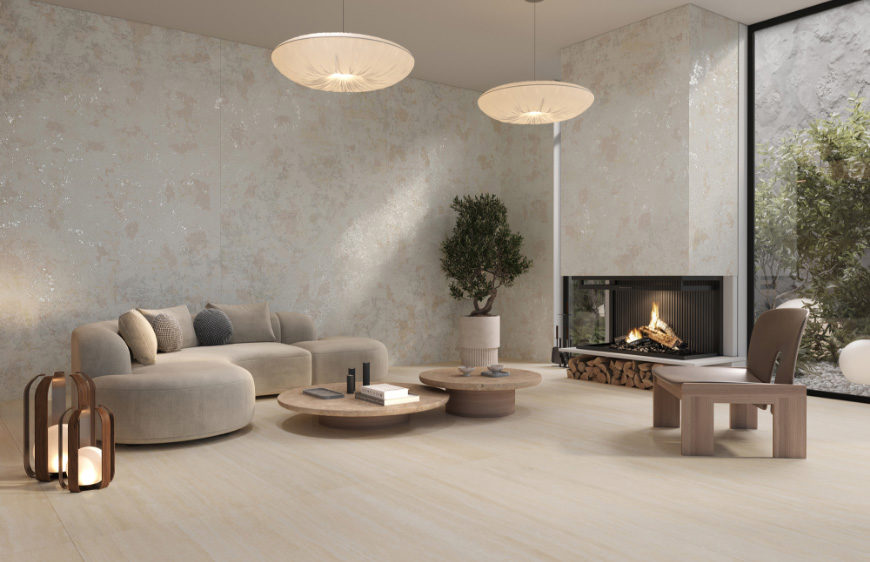
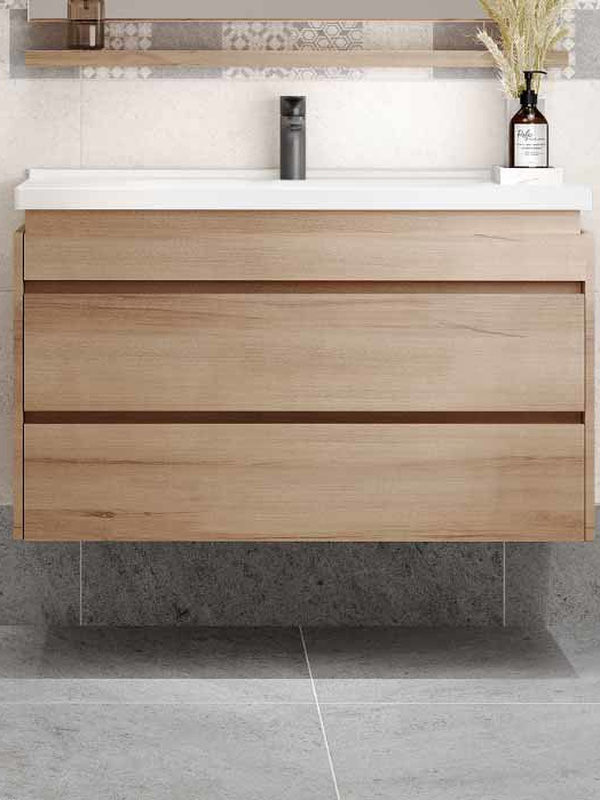
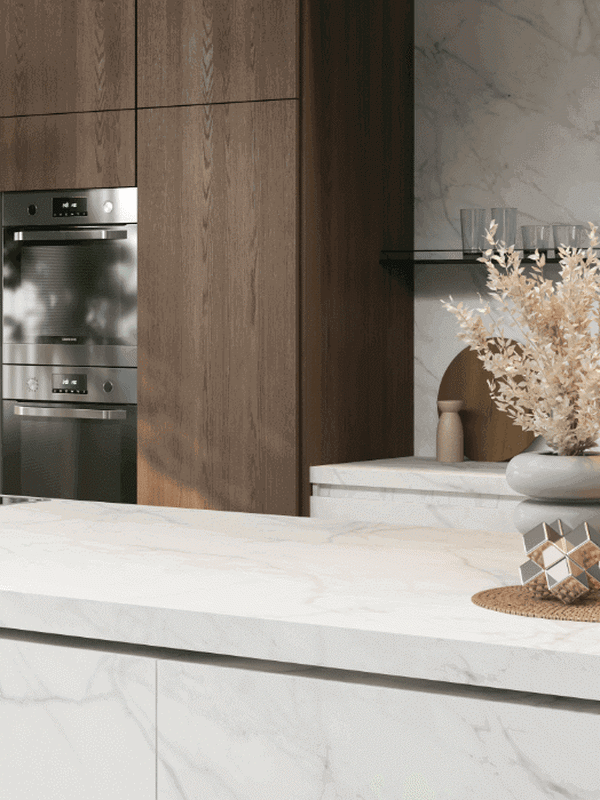
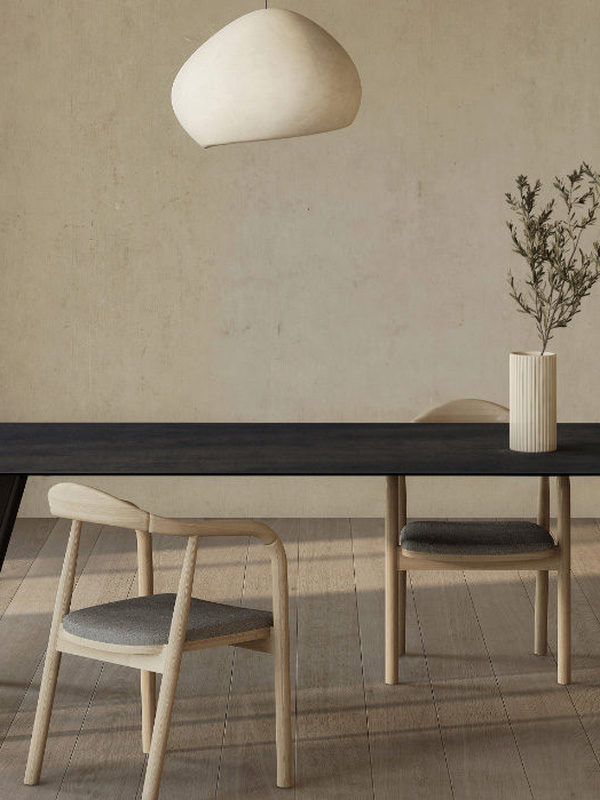
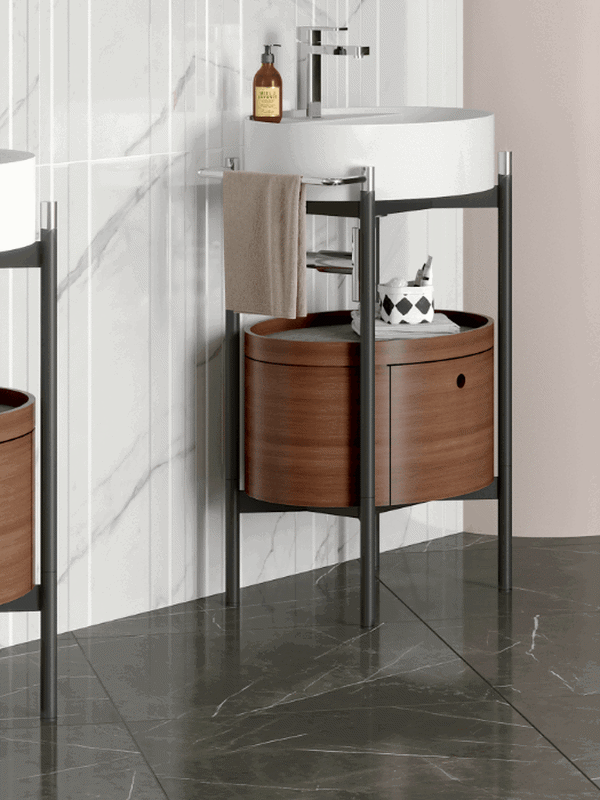
What comes to mind when you think of materials in their rawest, most natural state? Designs made from wood, of course. Warm, welcoming, dynamic and modern, wood is a key choice around which styles and colour combinations can develop harmoniously.Solid wood, one of the defining materials of this look, is also among the most durable and long-lasting choices. Cupboards, furniture, tables, wall panels and doors can all use it, making it suitable for almost every corner. Solid wood left unfinished or treated with a natural finish wherever possible offers a sustainable option.
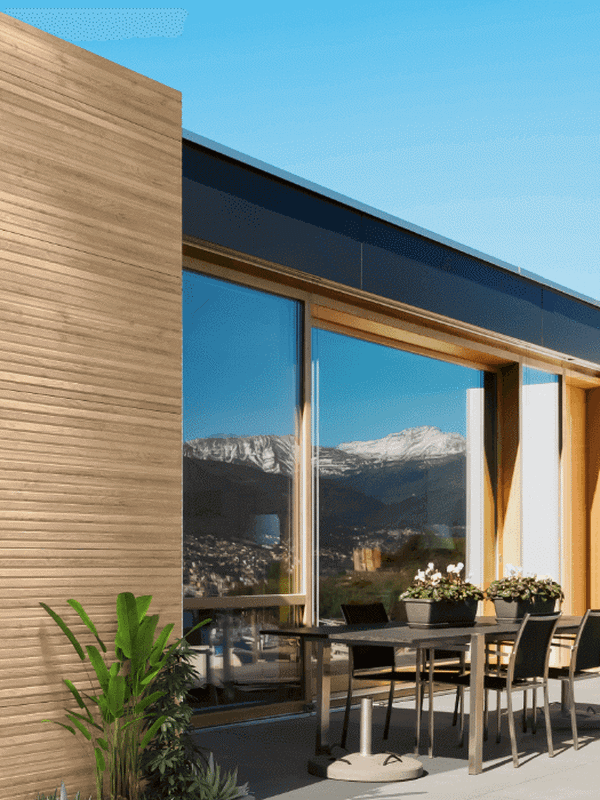
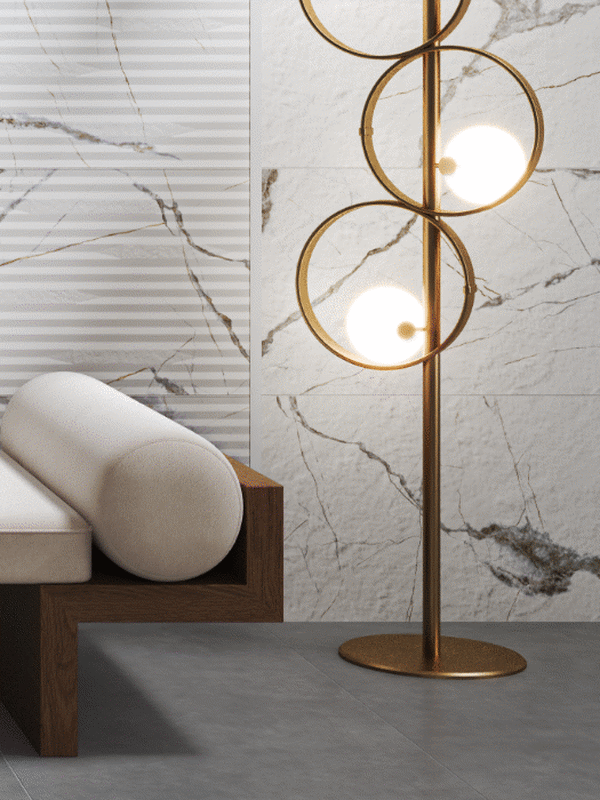
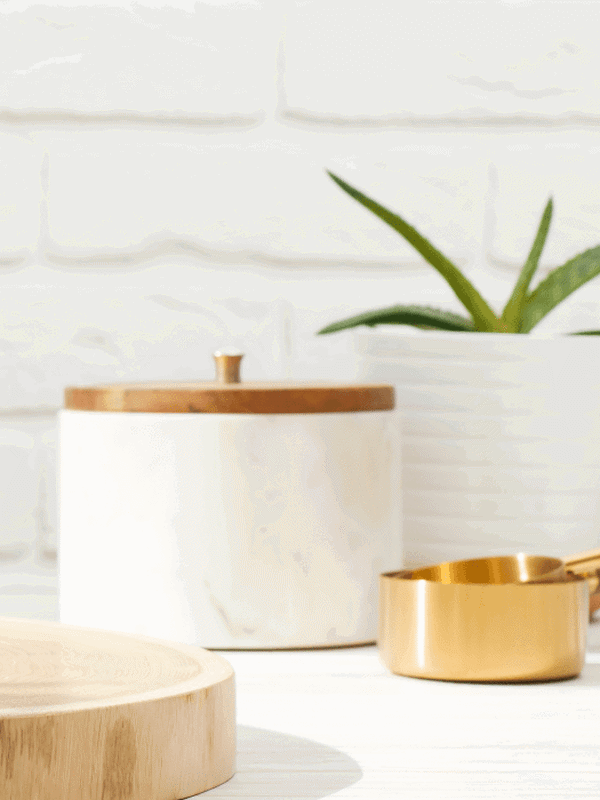
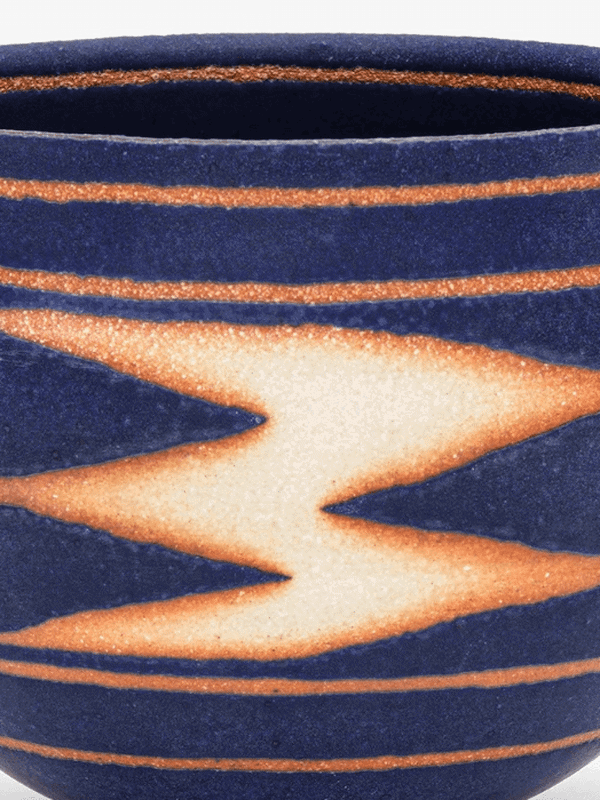
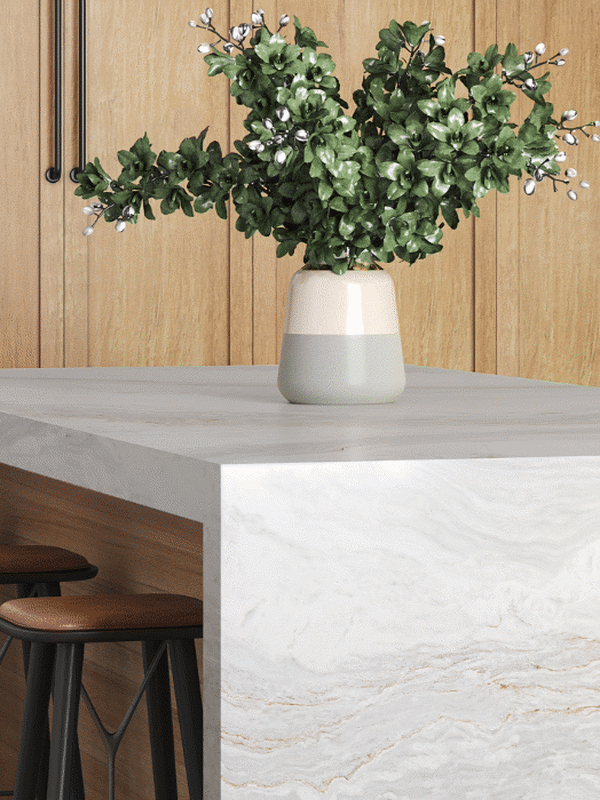
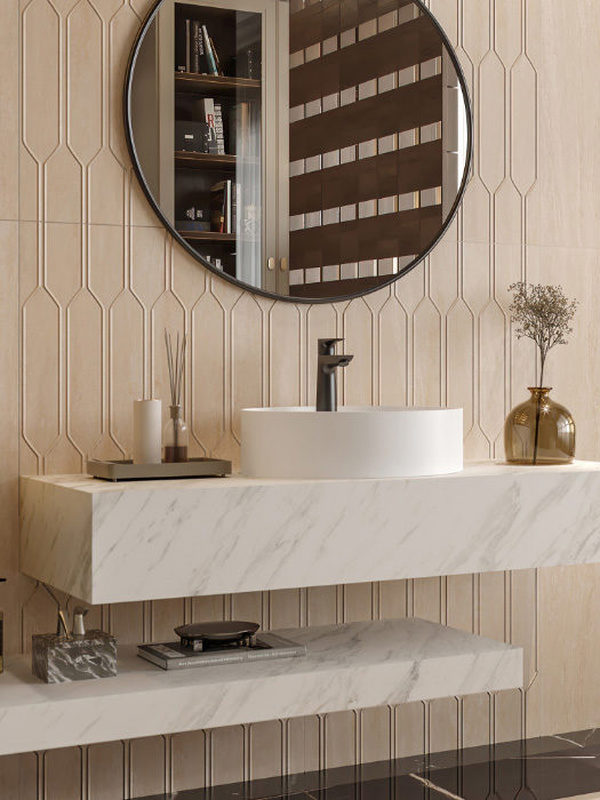
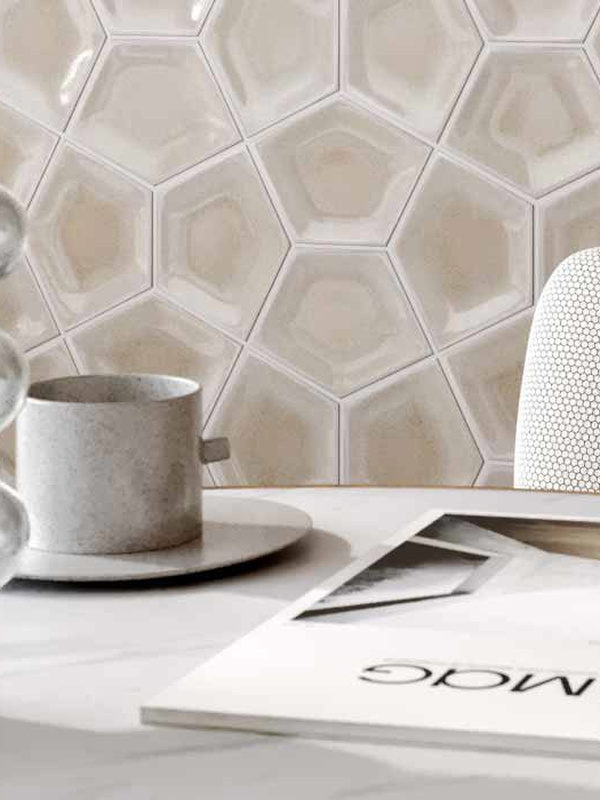
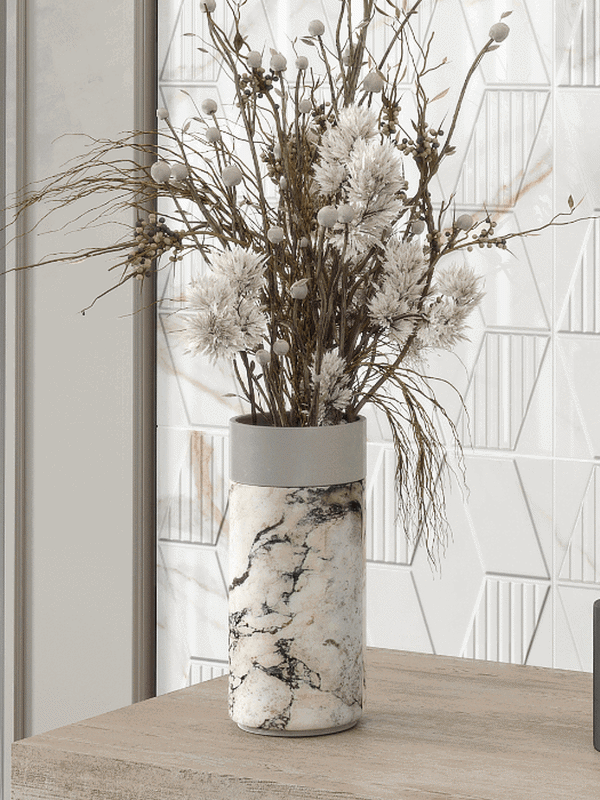
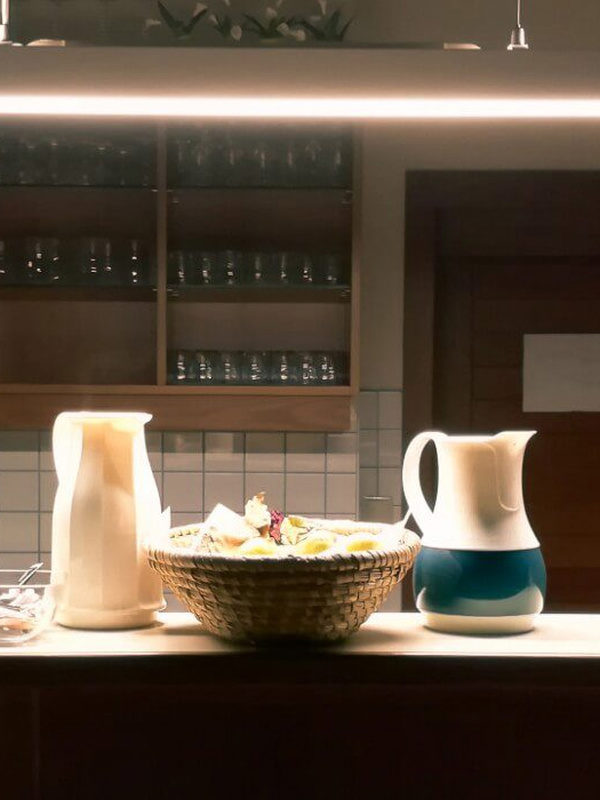
Accessories that refer to naturalism will support the look too: marble or clay pots and vases, wooden ornaments and ceramic plates, for example. To stay within this approach, choose designs drawn from nature or made from natural resources throughout your home, from A to Z, and adopt a holistic outlook.

What other naturalist alternatives complement wood?

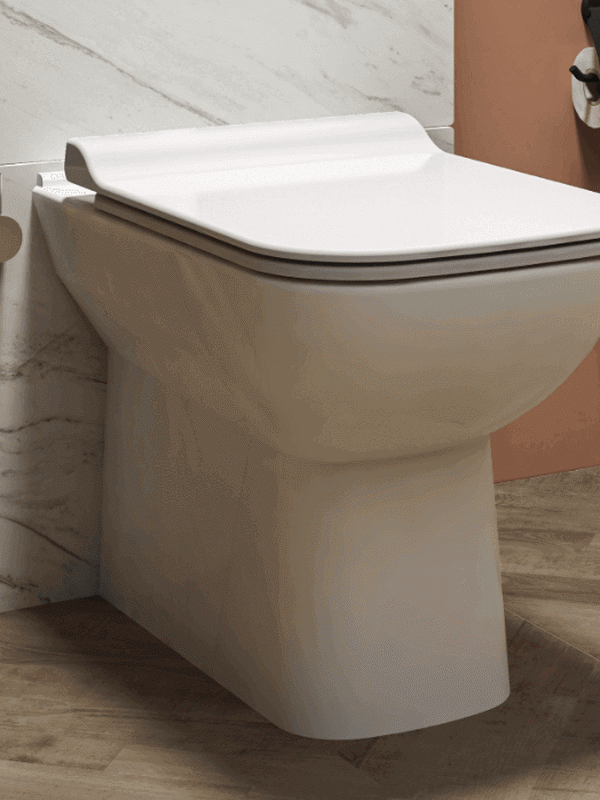
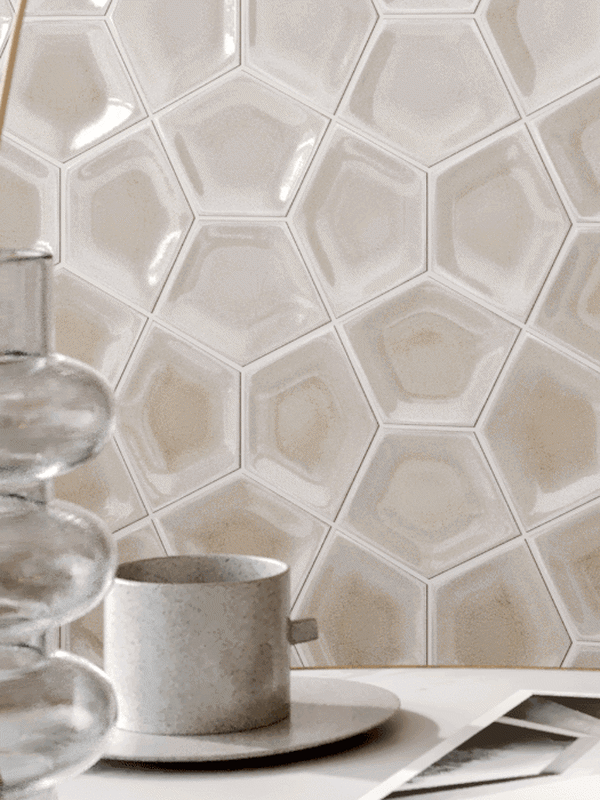
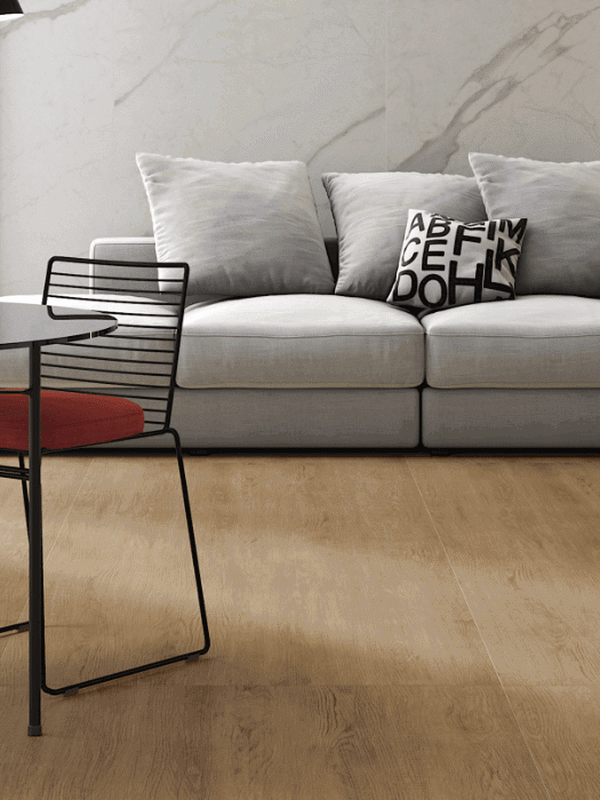
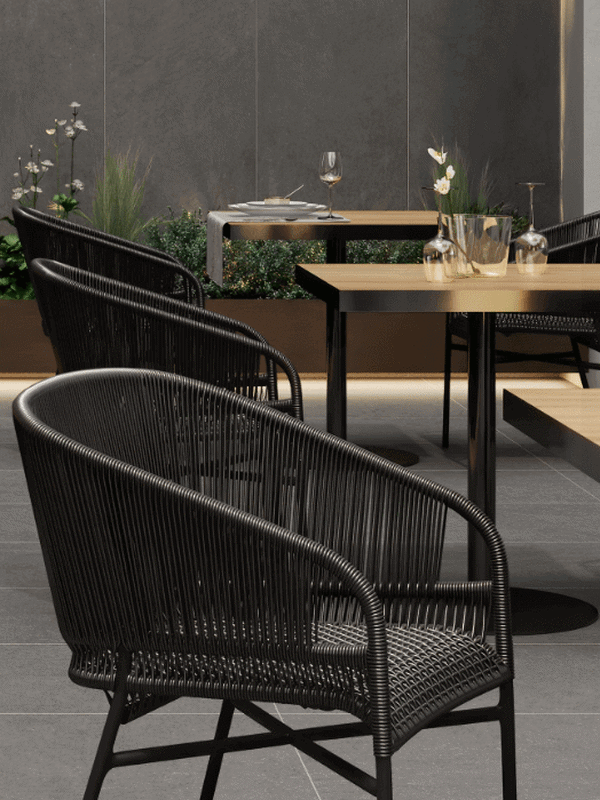
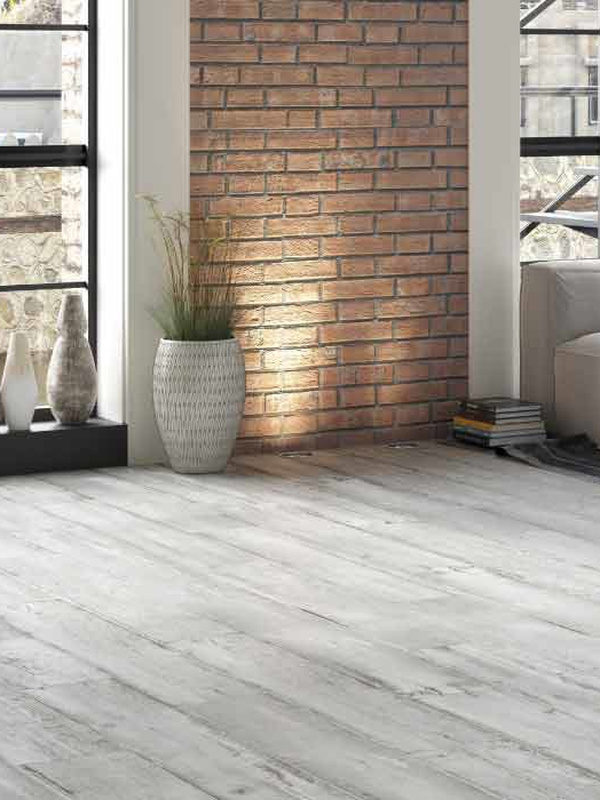
Other natural textures that can support these materials include birch, rattan, linen, wicker and water hyacinth. Sometimes combined with wooden designs, these materials belong to naturalism's style language, creating a more decorative and appealing appearance. Although they may cost more than some alternatives, they can be wise purchases to use for years and even pass between generations.For a more budget-friendly wood effect, consider wood-look laminate flooring or moisture- and water-resistant wood-look porcelain and ceramic tiles. These are practical naturalist solutions, offering environmentally conscious, durable alternatives through their natural material content.

Choose organic forms

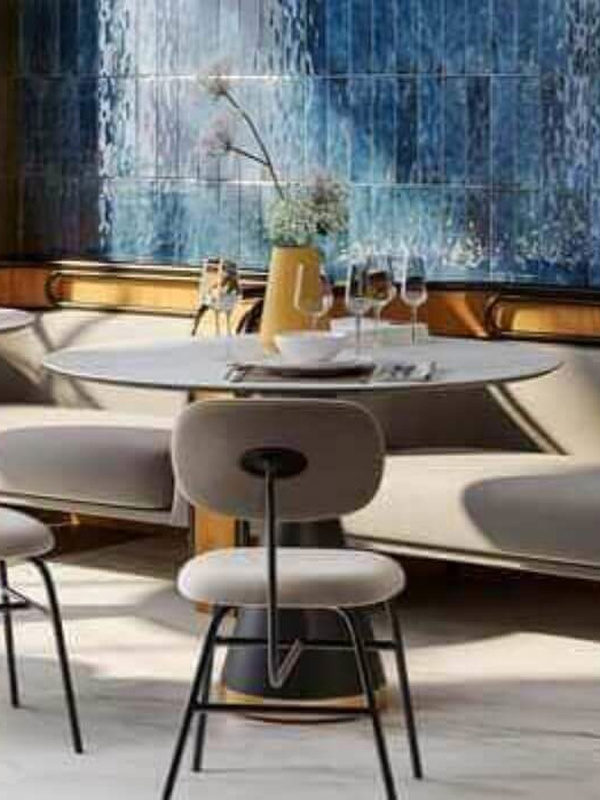
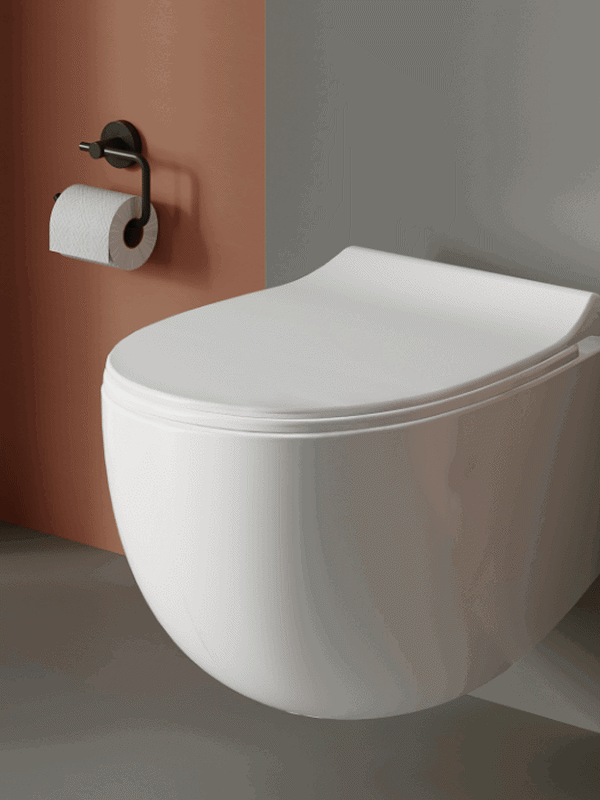
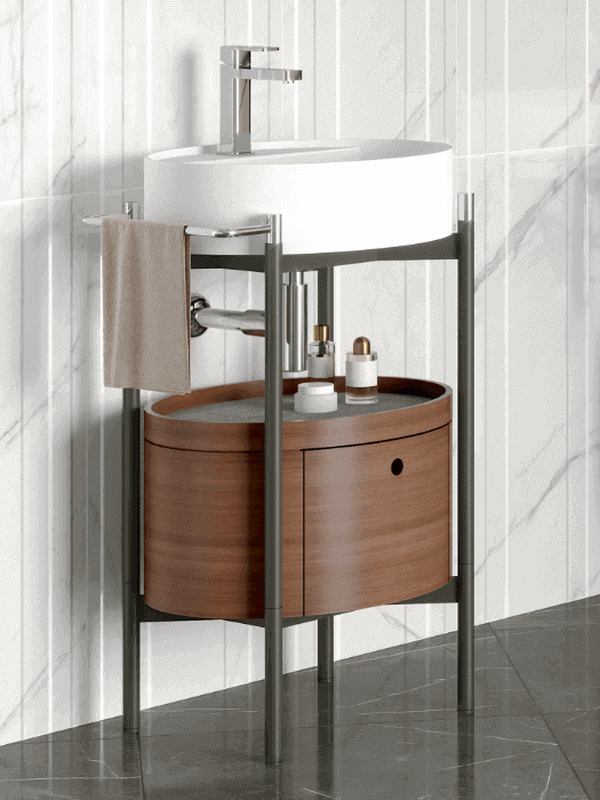
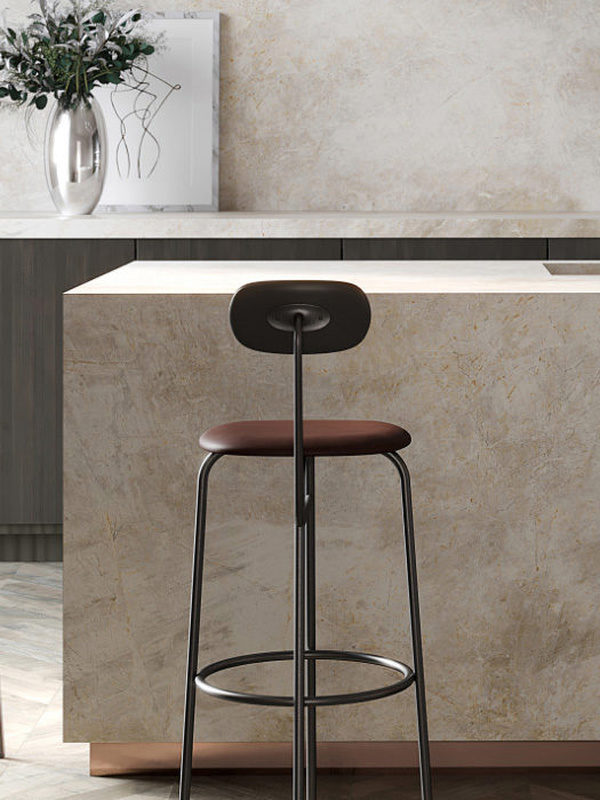
Whether choosing large furniture or small accessories, look for forms associated with nature. Examples include a dining table with flowing organic lines, or cupboards and chairs with soft, oval transitions rather than sharp corners. A wooden piece that follows the material's distinctive natural outline instead of a perfectly straight line is a particularly naturalist choice.

Embrace a naturalist approach that favours natural materials

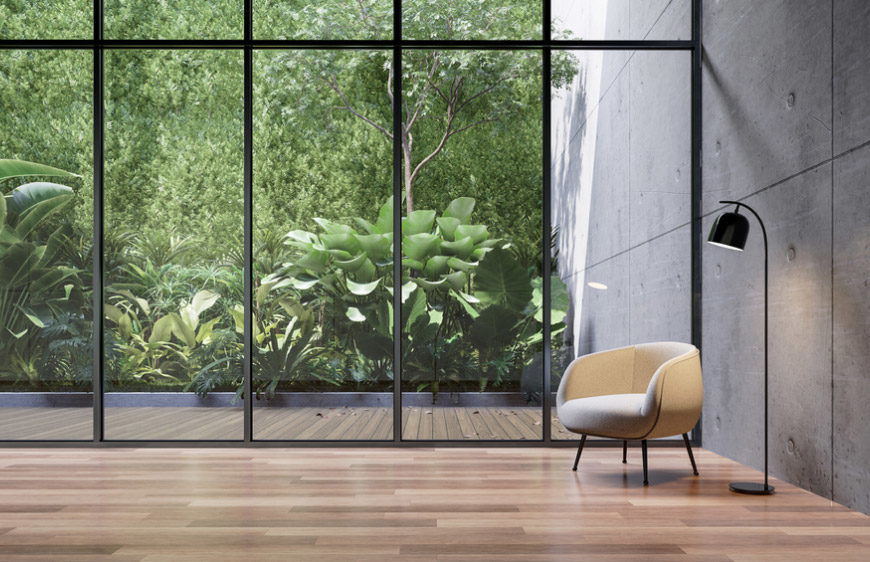
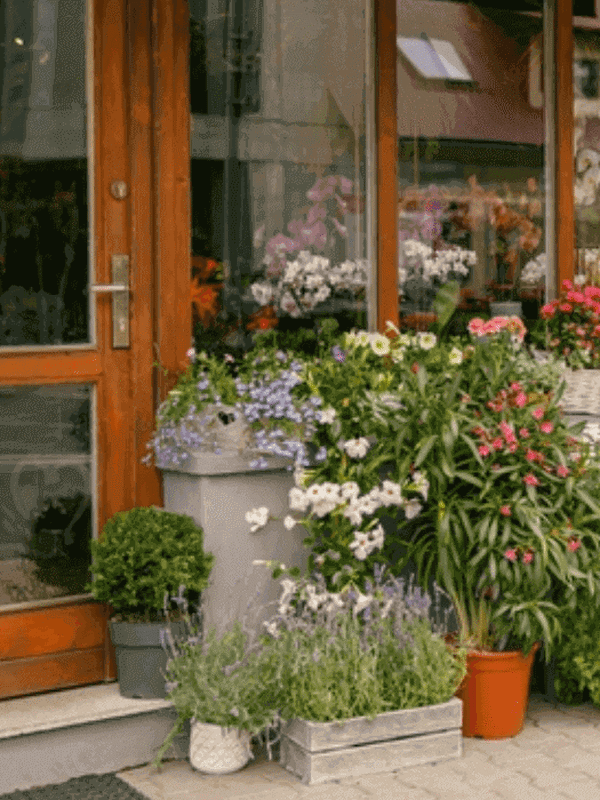
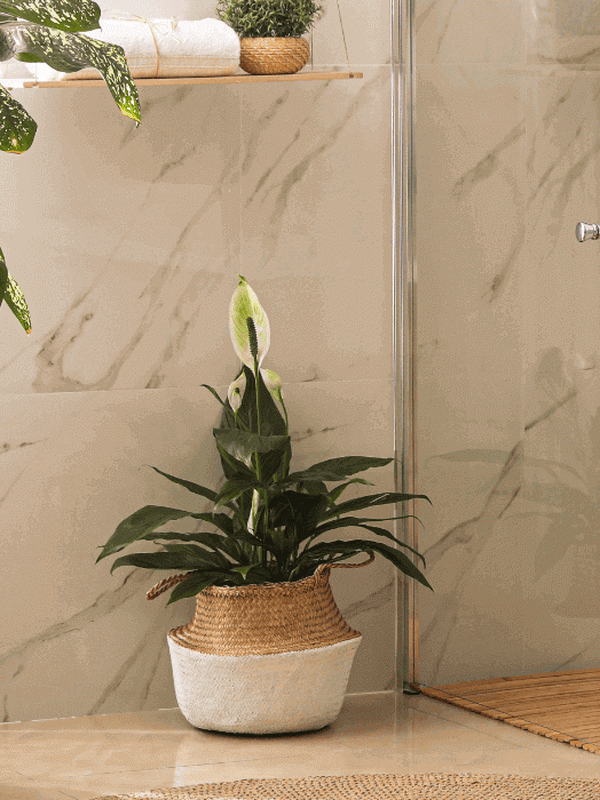
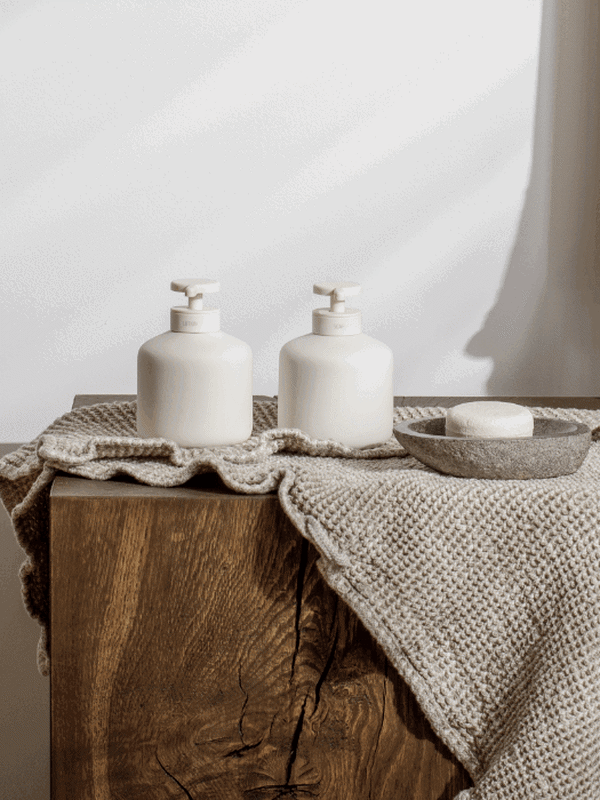
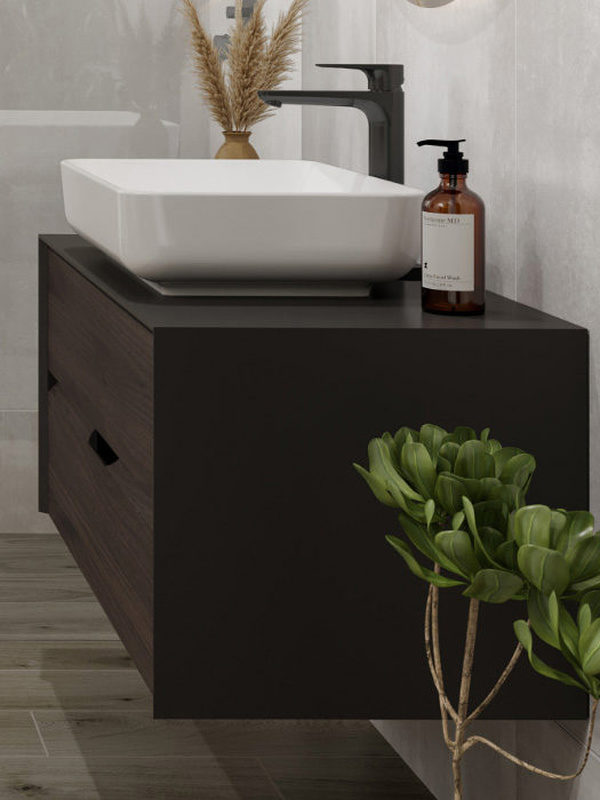
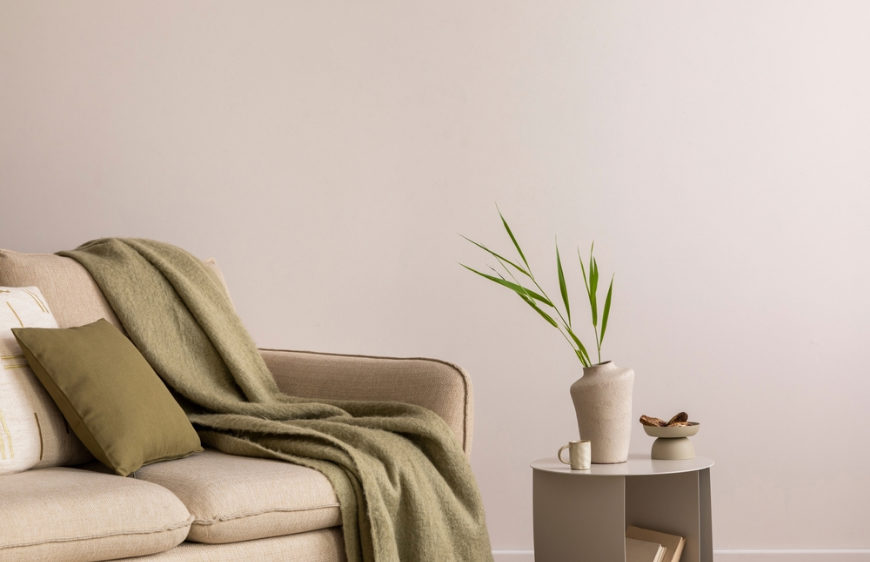
When shopping for textiles, we recommend organic and natural yarns. Towels, upholstery and curtains made from cotton, linen, modal or bamboo fabrics emphasise lightness through their breathable, long-lasting character.Tip: Another essential, even if it seems like a finishing touch, is to welcome plenty of green-leaved plants into your home. Large pots in corners or smaller plants on shelves and console tables will bring a naturalist signature to both your mood and your home's style.

Mekanınızı yapay zeka ile birkaç saniyede yenileyin!

Mekanınızı yapay zeka ile birkaç saniyede yenileyin!

Seçtiğiniz ürünü evinizde görün.

Evinde Gör

Banyonuzu yeniden tasarlamaya ne dersiniz?

Banyoda Gör

Blog

Explore All

Compare

Compare
Compare