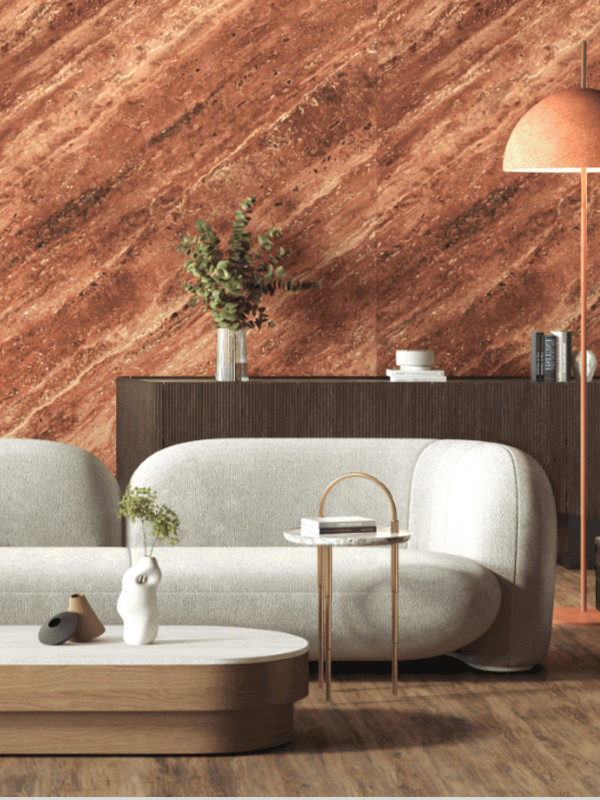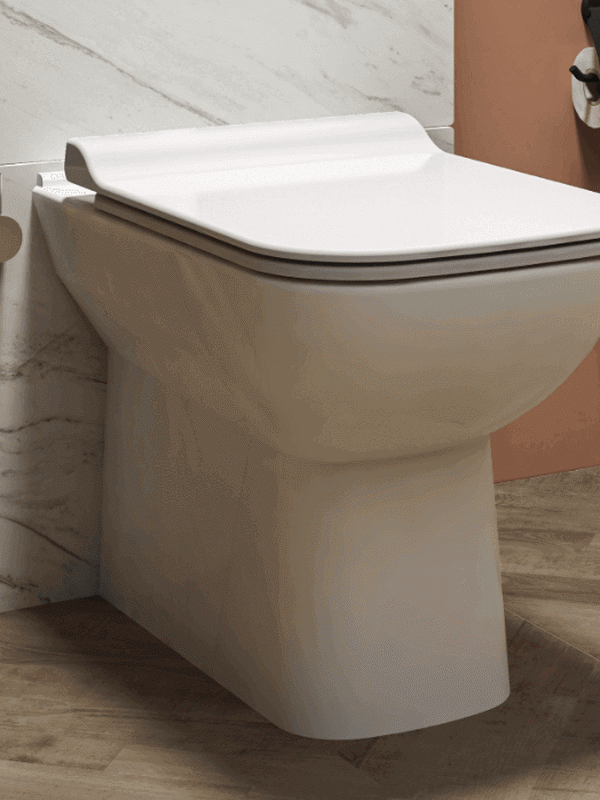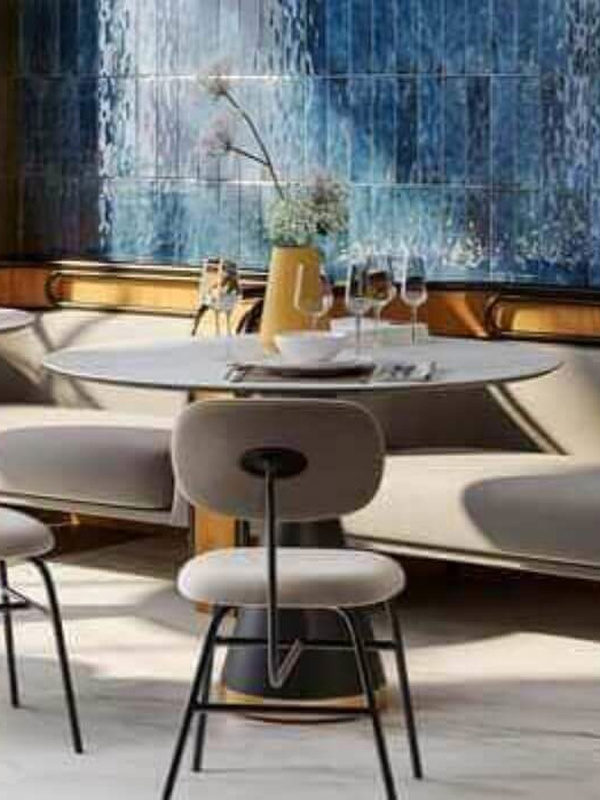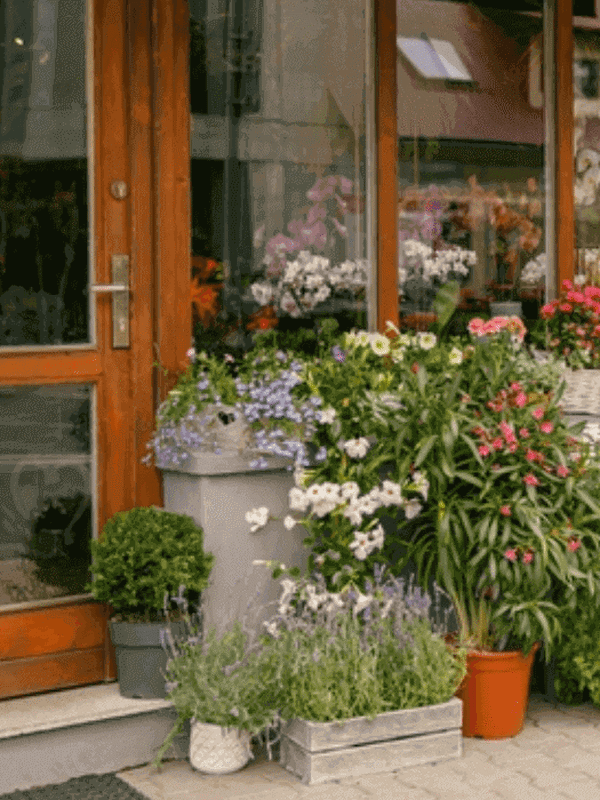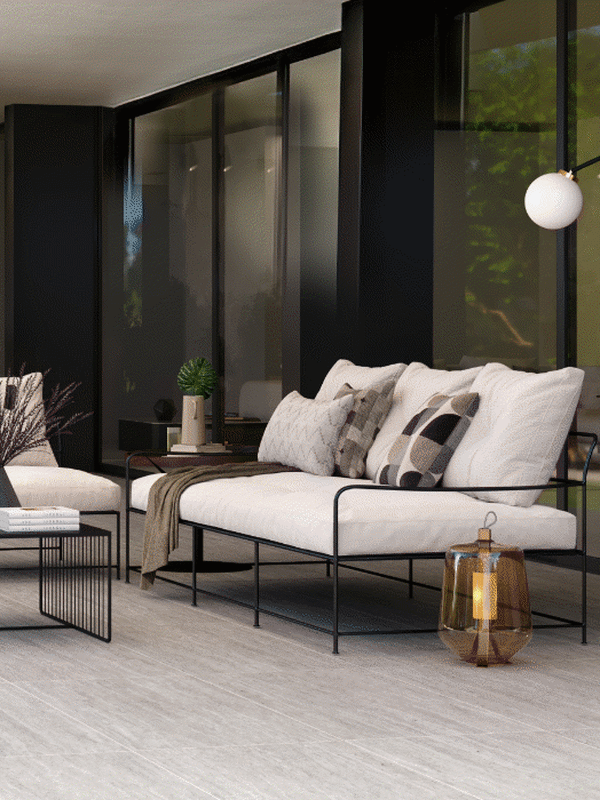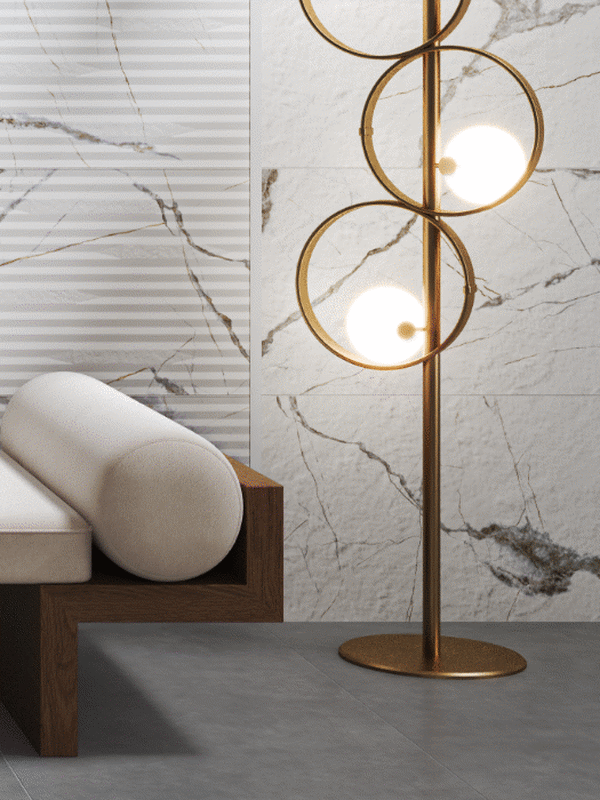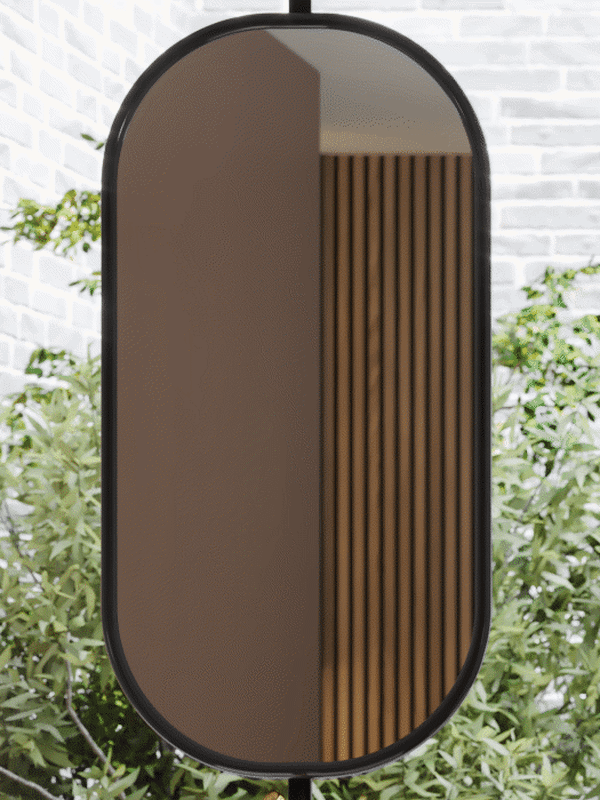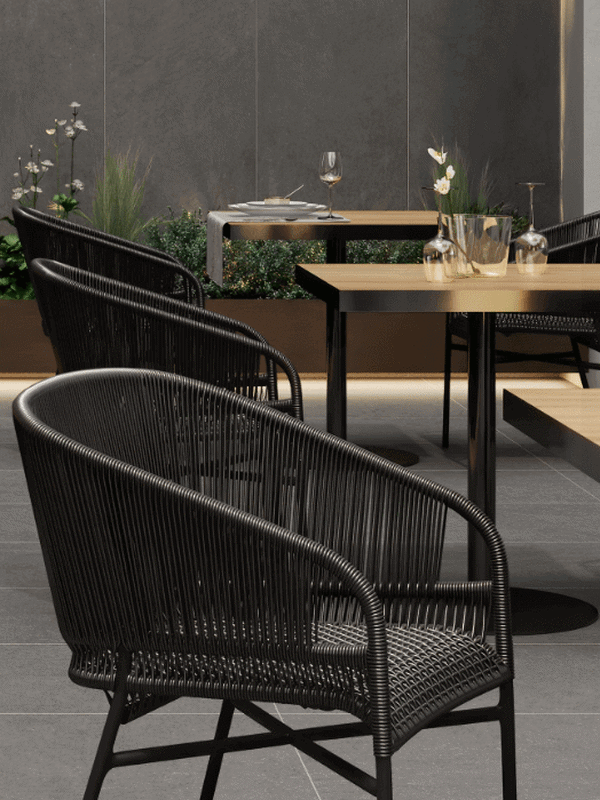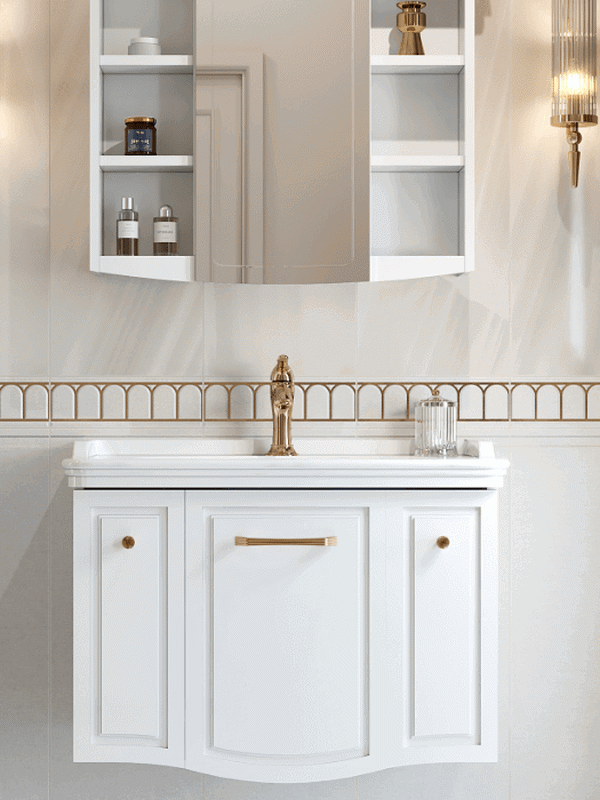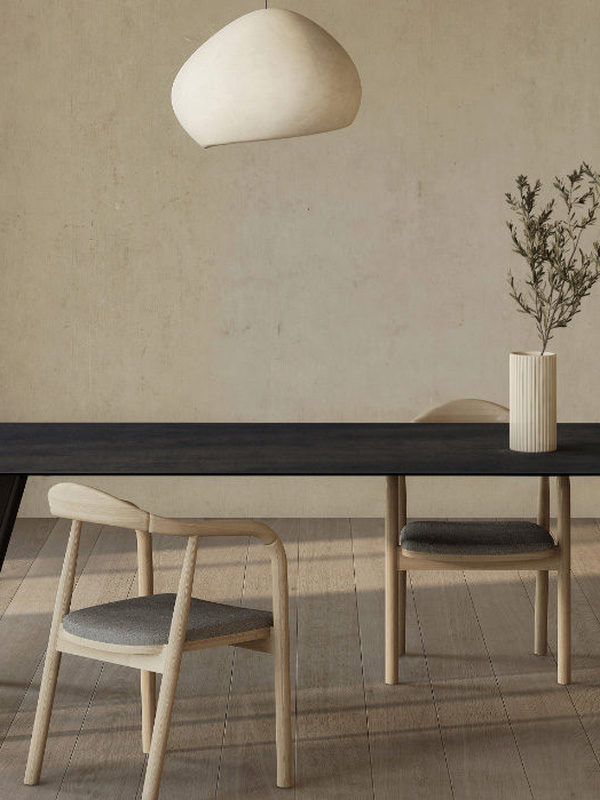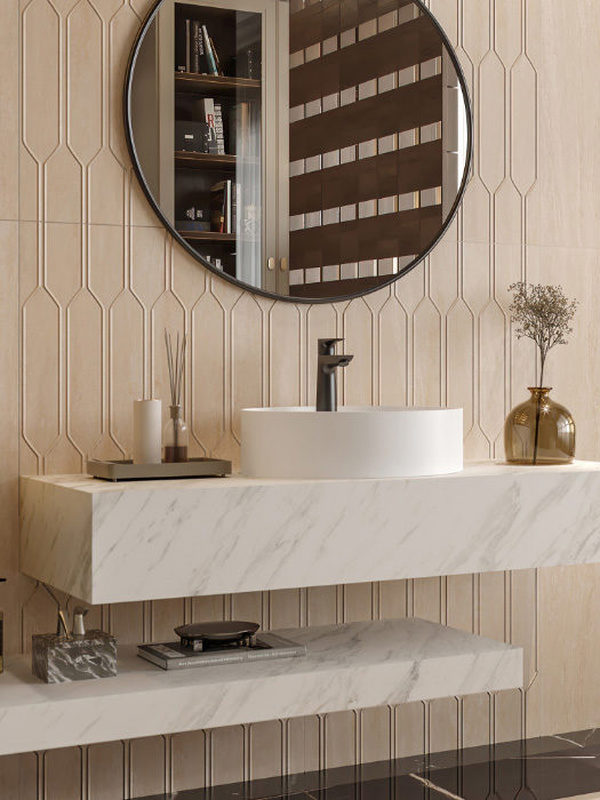
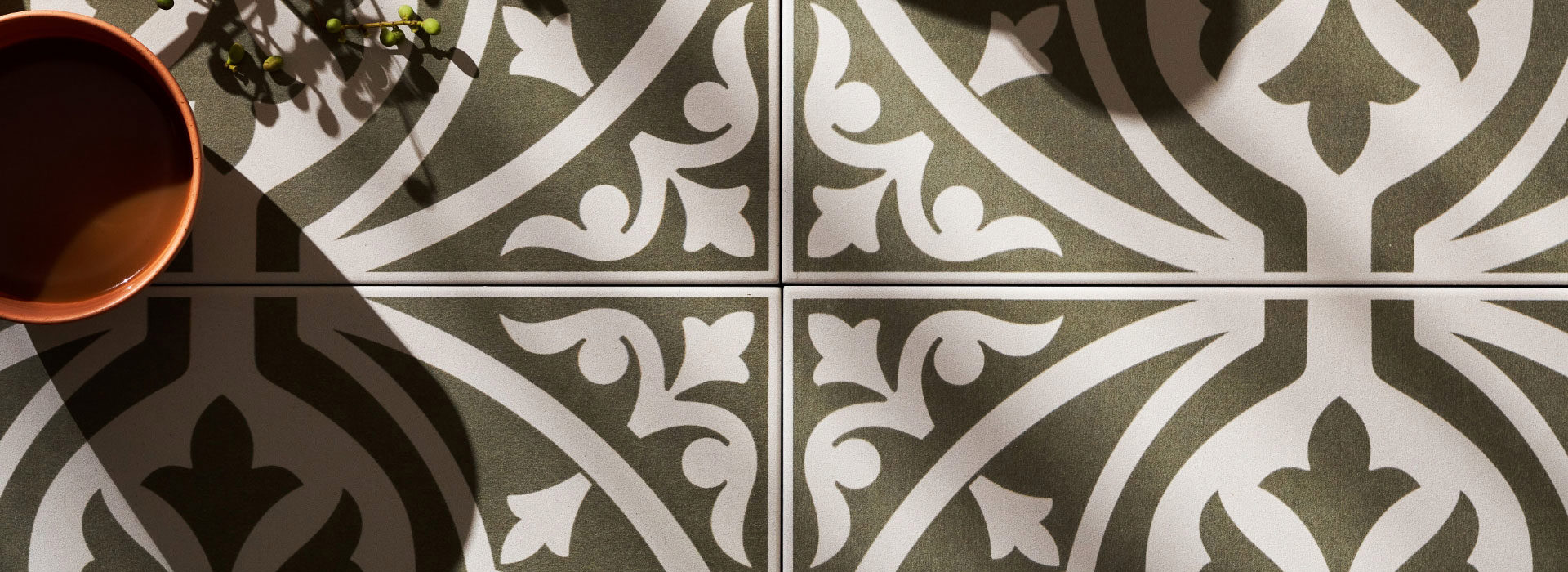
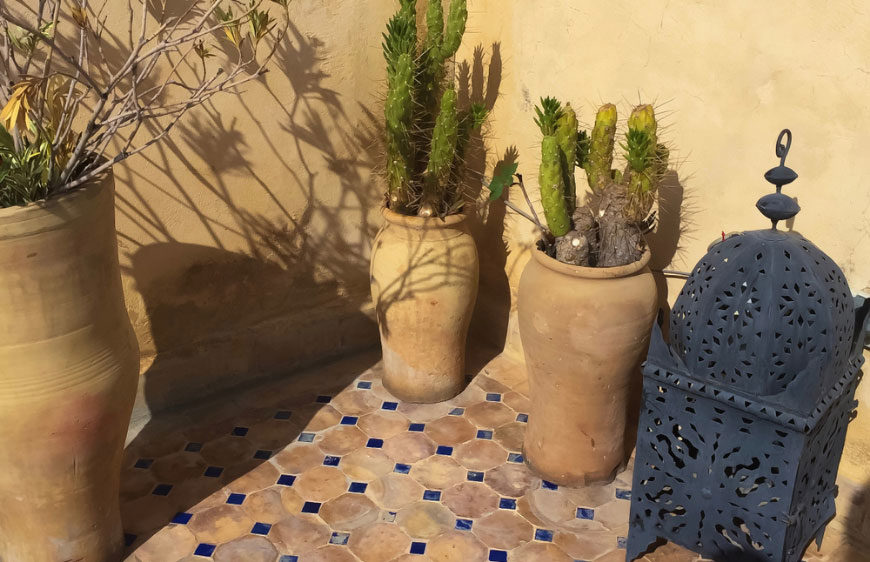
Balcony tiles help us find a cleaner, more durable and practical material for spaces used not only when warm weather draws us outdoors, but in winter too. They work wonders in these open or semi-open parts of our homes. Easy to keep hygienic by washing or wiping, resistant to impact, free from cracking in hot or cold temperatures and with colours that do not fade in sunlight or with chemical cleaning products, ceramics are essentials for balcony and terrace walls and floors.Ceramic tiles offer a natural, modern solution that retains its original appearance for years, allowing us to make a sustainable material choice. If you are thinking of renewing the floors or walls on your balcony or terrace, we recommend reading this article before making plans.
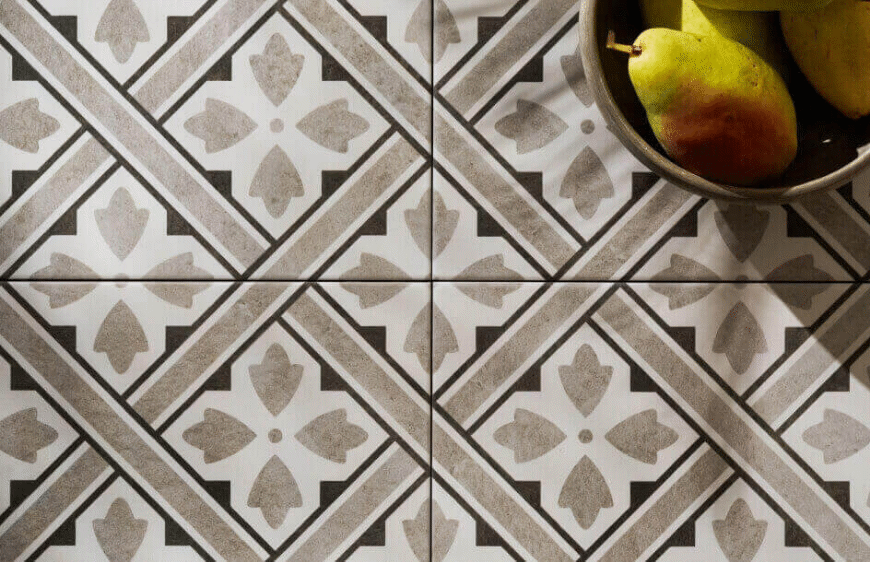
How Should We Choose Ceramic Tiles for Balconies?
Long-lasting, durable and resistant to deformation, ceramics come to our aid in many parts of our living spaces. With their high resistance to water, heat and cold, ceramic tiles are a popular, practical choice for everything from walls and floors to accessories and furniture. But which criteria should guide our choice of tiles for balconies and terraces, the outdoor areas of our homes? Find the answer in this article.
Why should we use ceramic tiles on balconies?
They suit all kinds of climate conditions.
They resist water.
They are unaffected by sudden temperature changes.
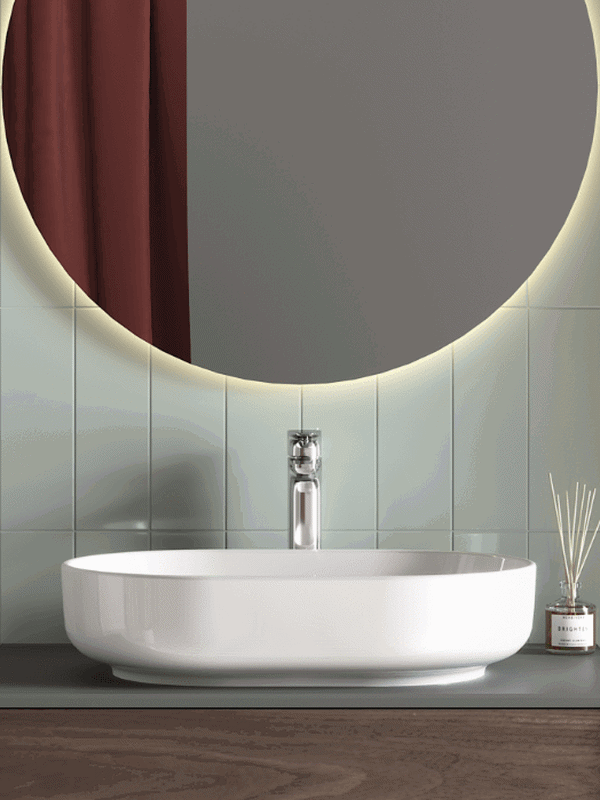
They do not crack or change colour.
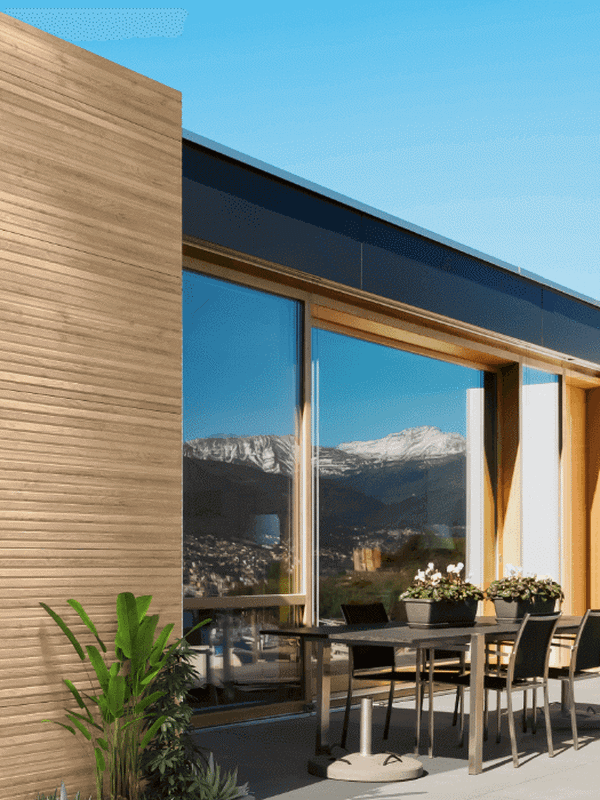
They are easy to clean.
They are unaffected by abrasion.
They are a natural material.
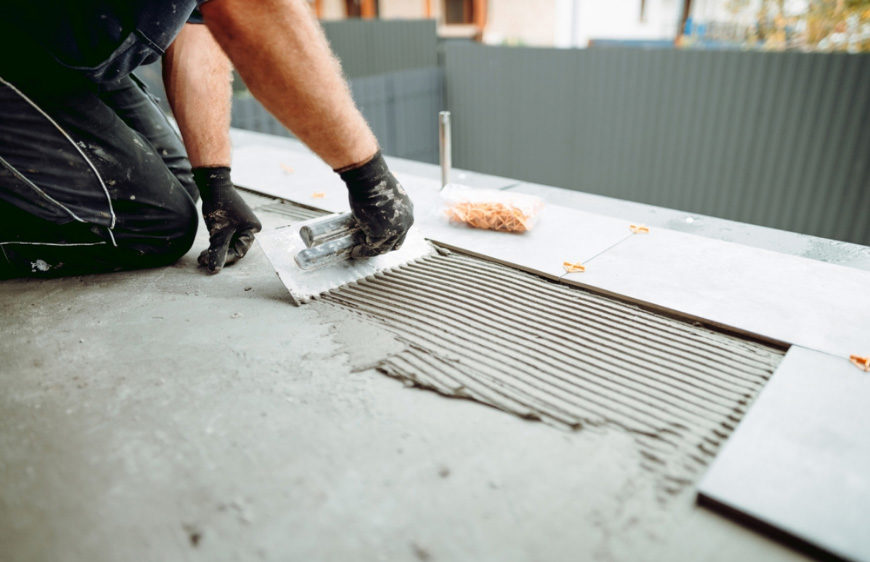
They are easy to install and remove.
They retain their appearance when exposed to chemical cleaning products.
What should you consider when choosing ceramic tiles for balconies and terraces?
With a neat, attractive appearance, ceramic tiles are an effective solution for balconies and terraces, which can be harder to decorate than other parts of the home. These surface coverings work with different styles and furniture needs, and it helps to follow a few steps when choosing them:
If you have a small balcony or terrace, choose tiles without patterns. To add a little interest, you can introduce subtle variation through natural colour or texture transitions.
If you want a modern look and a simpler balcony scheme, opt for matt tiles. Embossed surfaces with subtle textures and natural, organic forms will work well.
How should we choose between glossy and matt tiles?
If you have a large balcony or terrace, the task is relatively easier. You can create a design with glossy finishes and a combination of two colours. For example, use beige ceramic tiles on the floor and a lighter ecru version on the walls to add depth.
On small balconies, it helps to choose colours found in nature. Consider airy, light shades such as cream, white, pale green, pale blue and taupe.
Balconies brought to life with decorative ceramic tiles
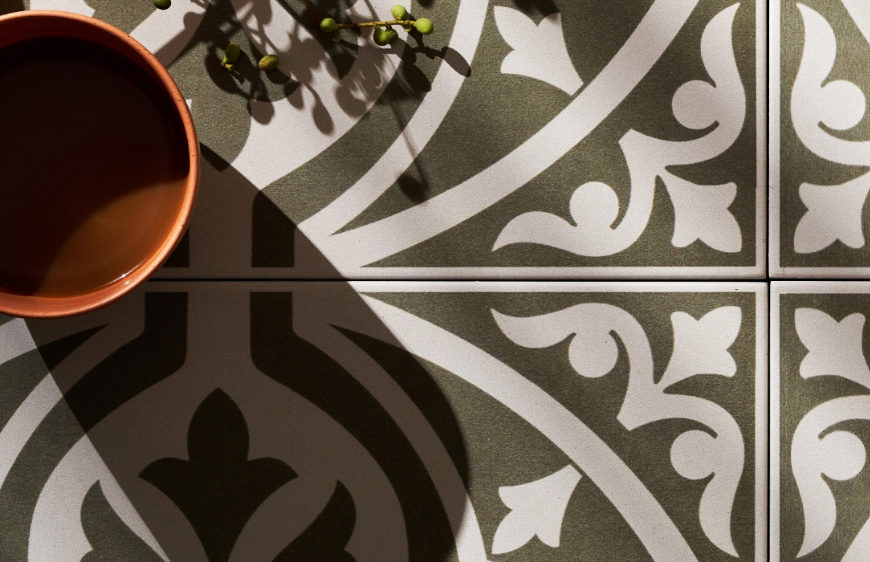
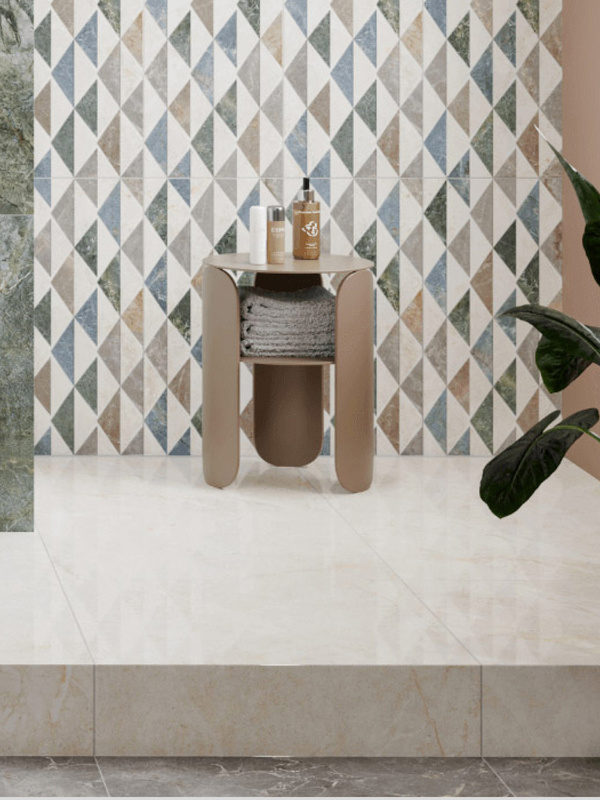
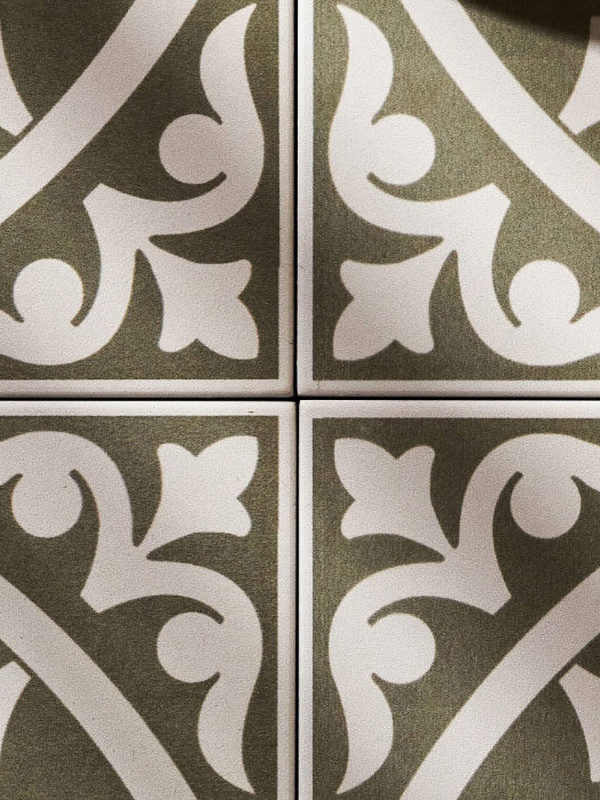
If you want to add visual interest to a small balcony, we suggest choosing small ceramic tiles and using different laying patterns. Staying with a single colour, you can also create variety through tiles of different sizes.
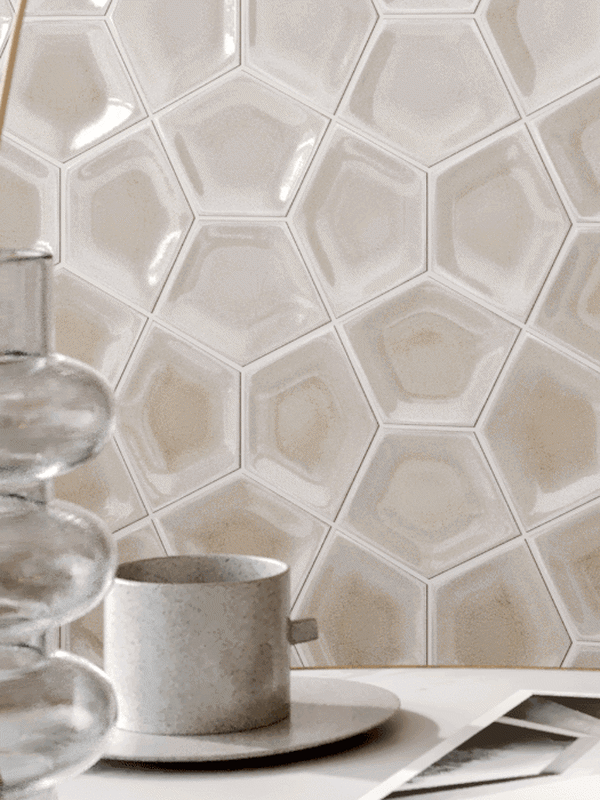
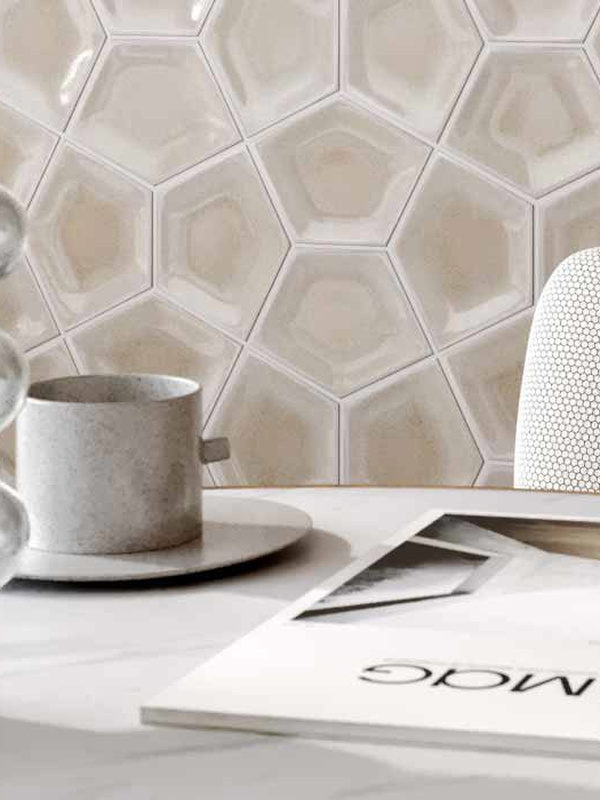
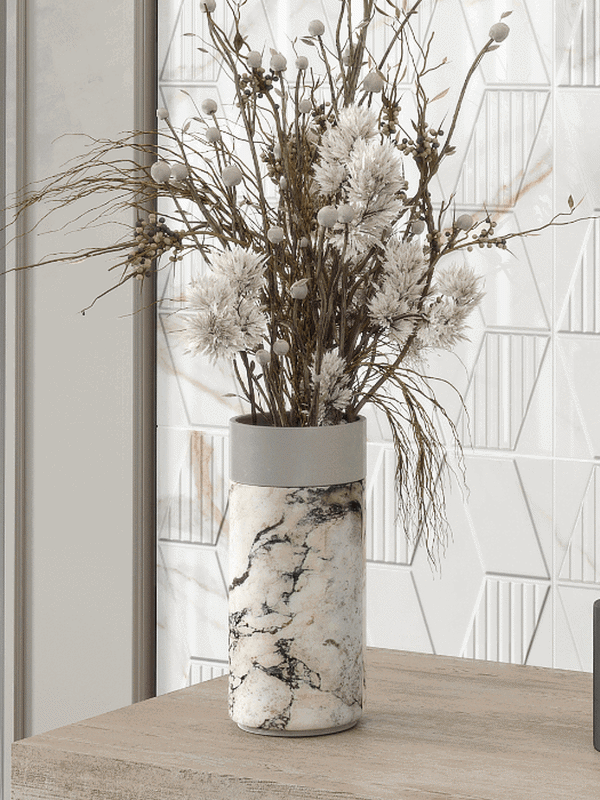
For a large balcony or terrace, tiles with a more three-dimensional design can be one of the most modern ways to enhance the style. Even without different colours, these raised patterns have enough visual presence to create a strong backdrop.
How can we choose alternative looks?
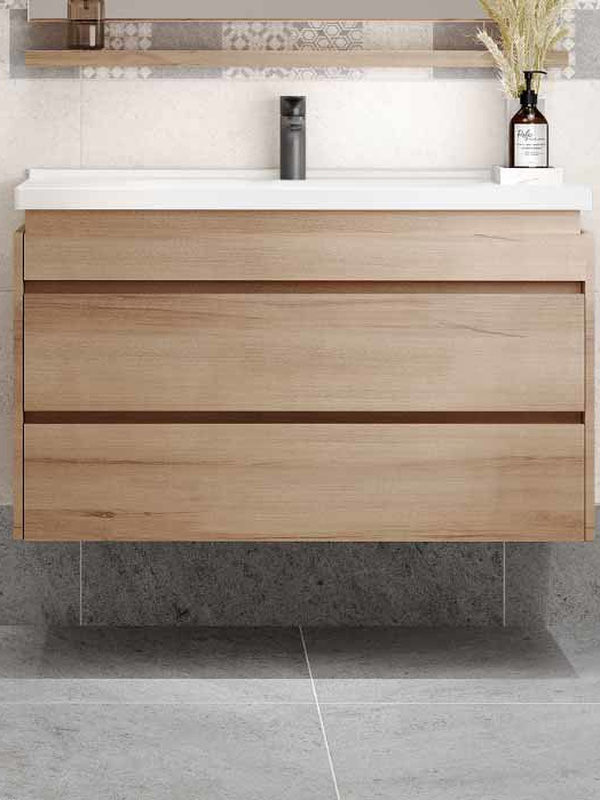
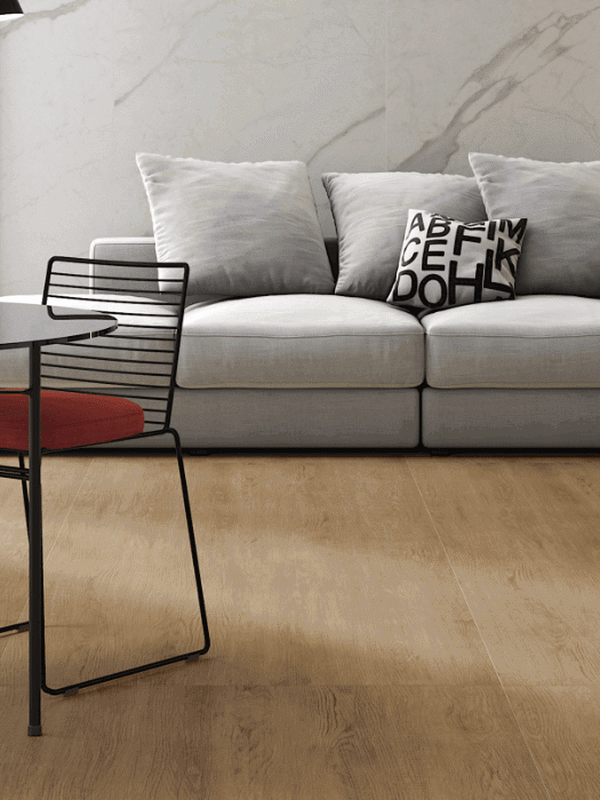
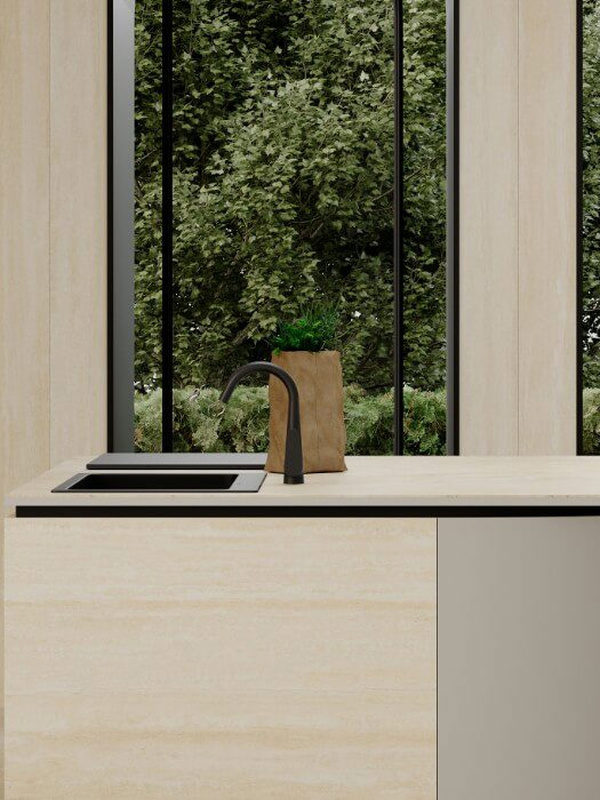
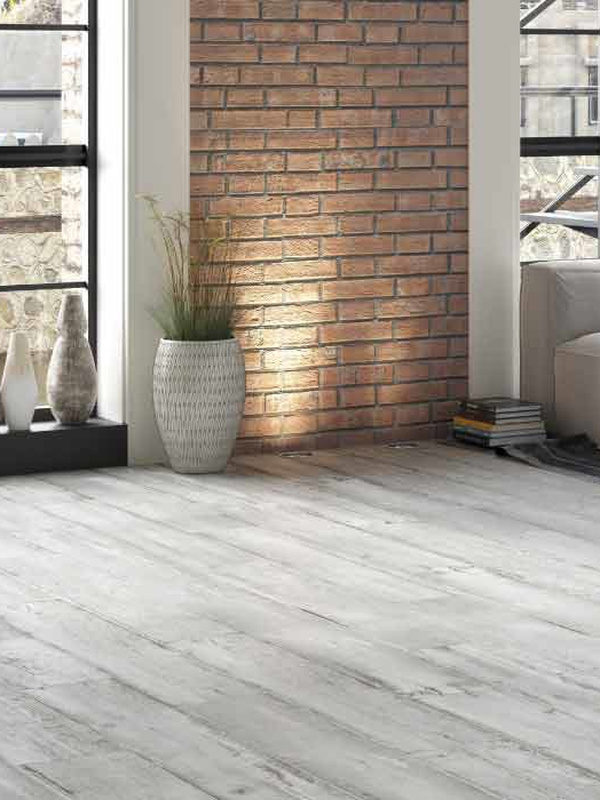
If you are looking for an alternative to the usual ceramic tile appearance, wood-effect tiles will be useful. They show dirt and stains less readily and coordinate more easily with the interior, helping to create an airy, practical style.
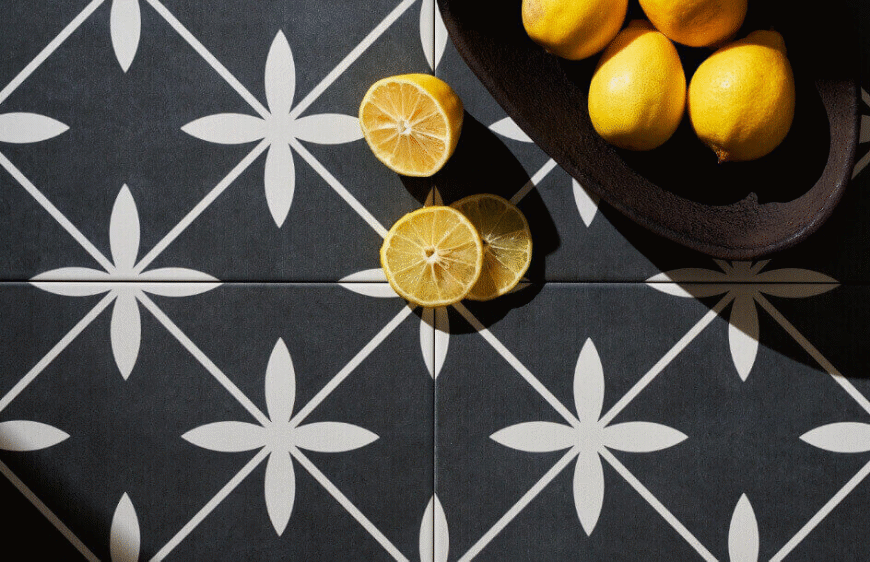
If you are planning to make the most of existing tiles, renewing the grout is one of the most practical solutions. Coloured grout offers an alternative to familiar white and can create a dynamic, playful look. Contrasting light and dark shades, in particular, can give your tiles a fresher, more stylish appearance.