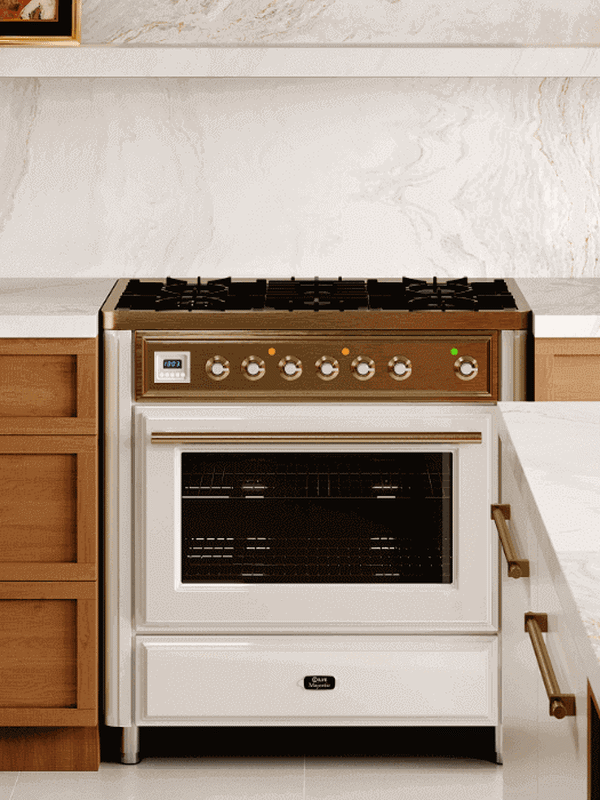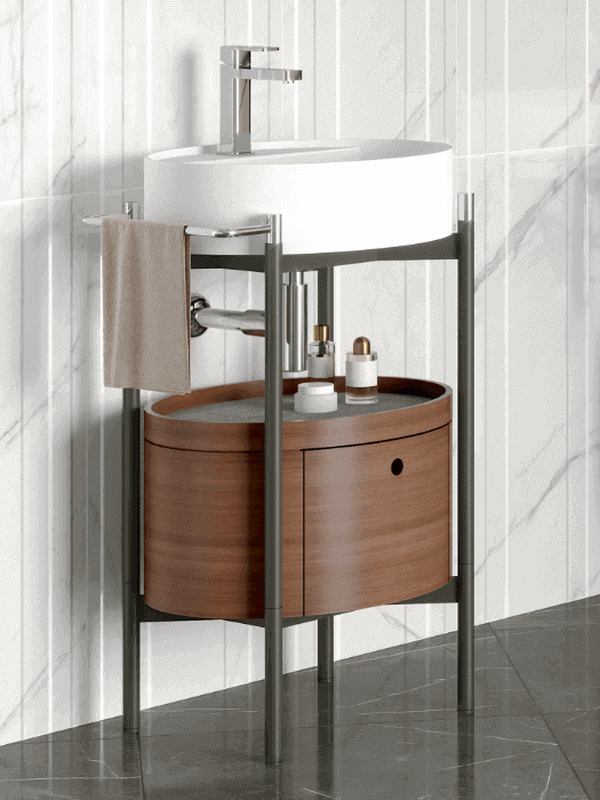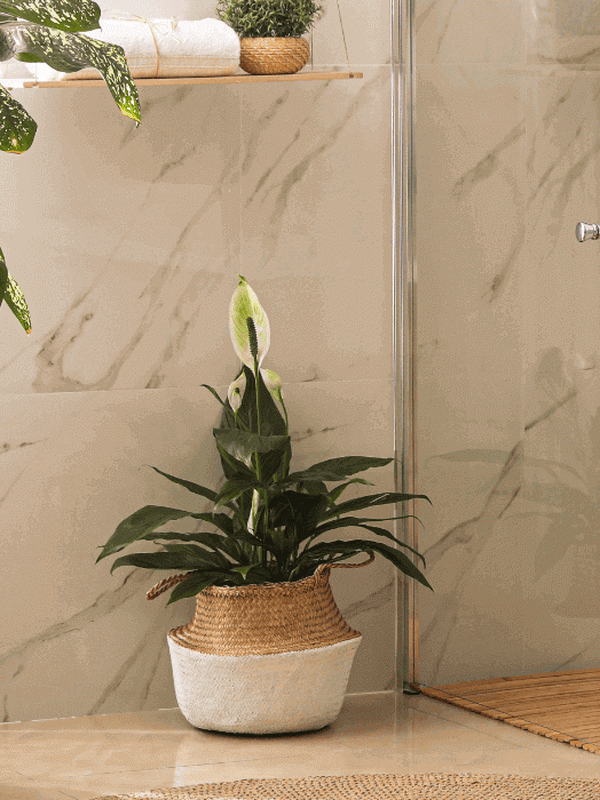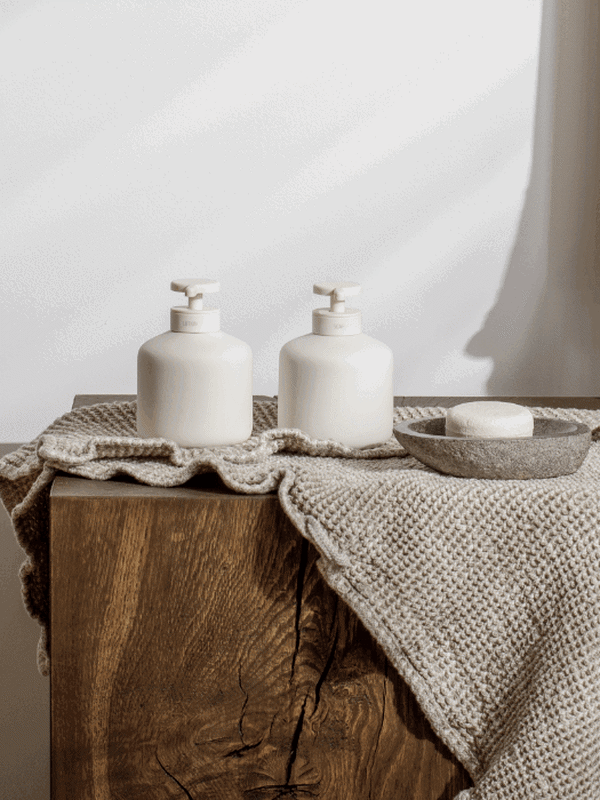
Between work and home life, however little time we have for ourselves, we can agree that a good part of it is spent in the kitchen. Every recipe prepared as a therapeutic moment, alongside small conversations and opportunities to share, confirms the kitchen's important role in home life.Morning, noon and evening... Kitchens have a different rhythm at every hour and always deserve thought. The things we use, those we never use and those we reach for every day all have their own cycle and balance. Within this activity, we should also look at kitchens through the lens of sustainability, which has become one of the individual responsibilities of our time.We have prepared suggestions for a kitchen centred on sustainability, helping us make conscious, sensible and environmentally minded choices in the details we need throughout the day. Let's improve our habits together!

Sustainable Product Choices for Time Spent in the Kitchen
A concept that has remained on the agenda across industries in recent years: sustainability. Particularly at home, where the pandemic helped turn it into a necessity, the kitchen is undoubtedly one of the most effective places to put it into practice. Which materials and choices can make this constantly active space more conscious, economical and in tune with the planet? You will find the answer in this article.
Sustainable choices for larger kitchen elements
It helps to begin with the larger elements of the kitchen. If kitchen furniture is due for renewal because of wear or simply a desire for change, considering a cabinet-door replacement is particularly valuable. Cabinet carcasses made from durable materials already have a long life. Recognising the value of what you have and changing only the doors is both quick and economical.To improve the organisation inside, use small baskets to create your own drawer dividers and make the most of the available space. Plate and pan organisers can also bring significant changes through small additions. This way, you can arrange your cabinets for practical use without a major transformation.
One rule for choosing materials: go natural
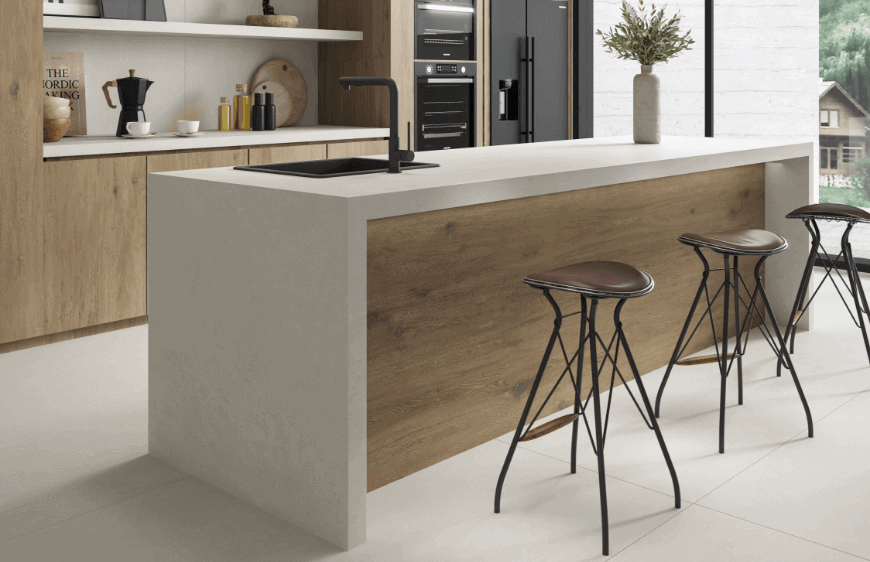
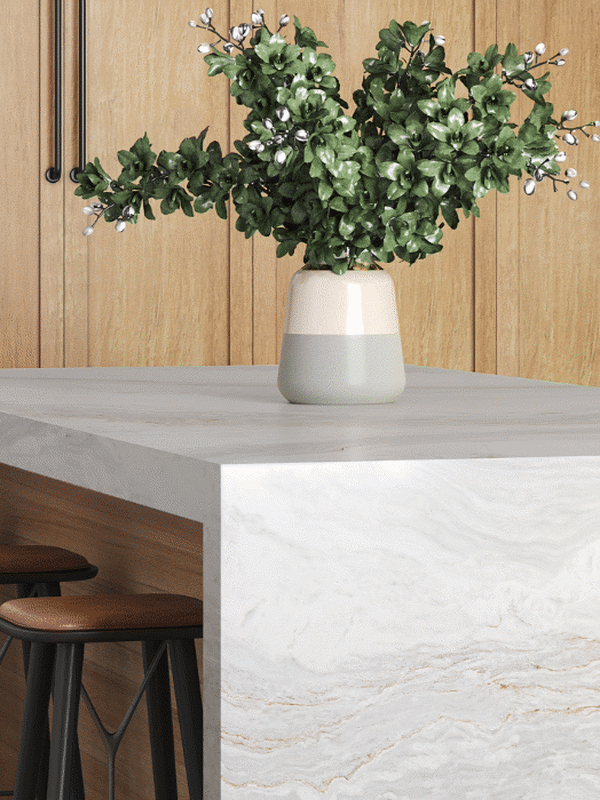
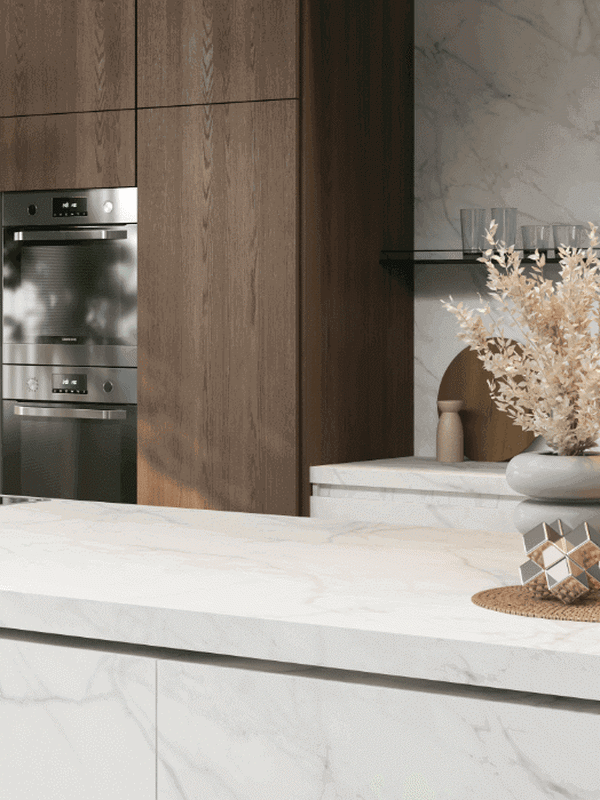
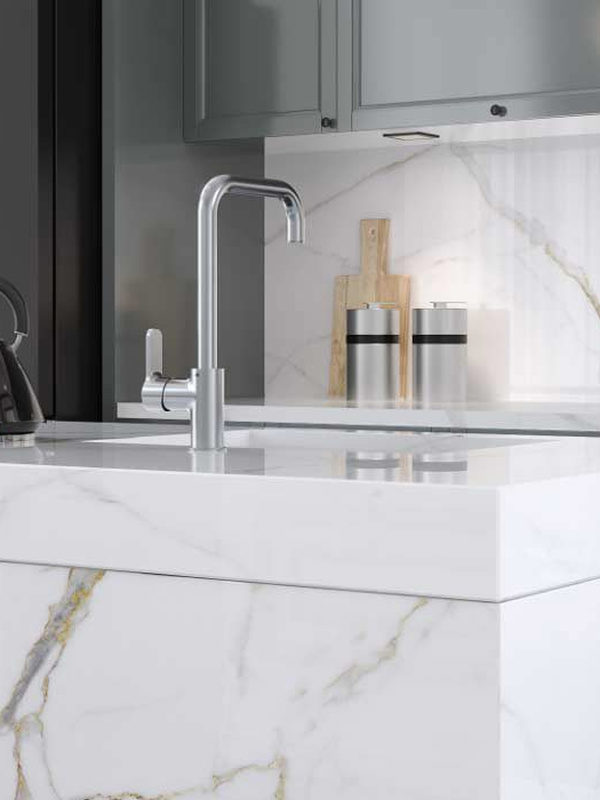
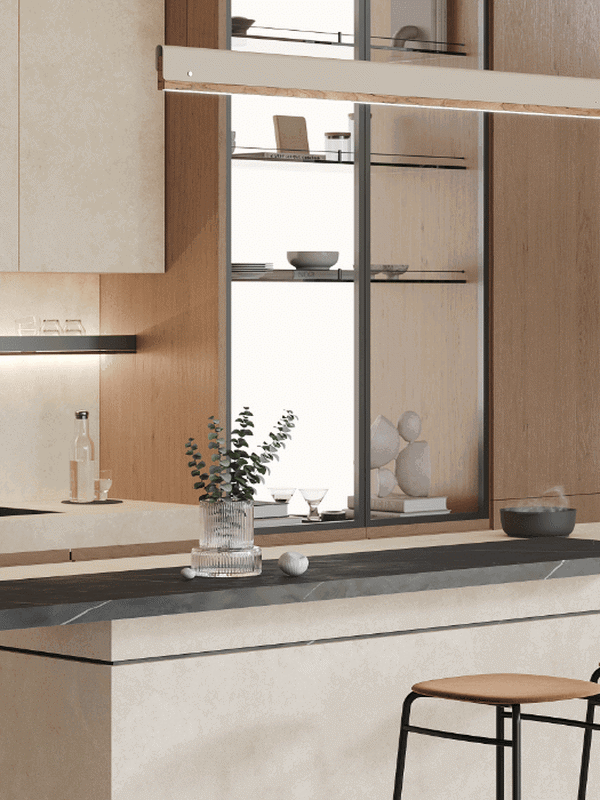
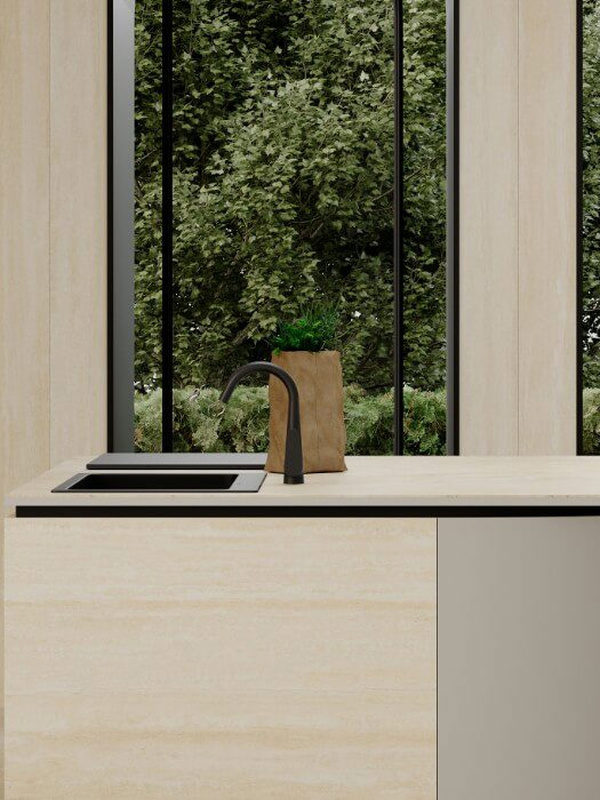
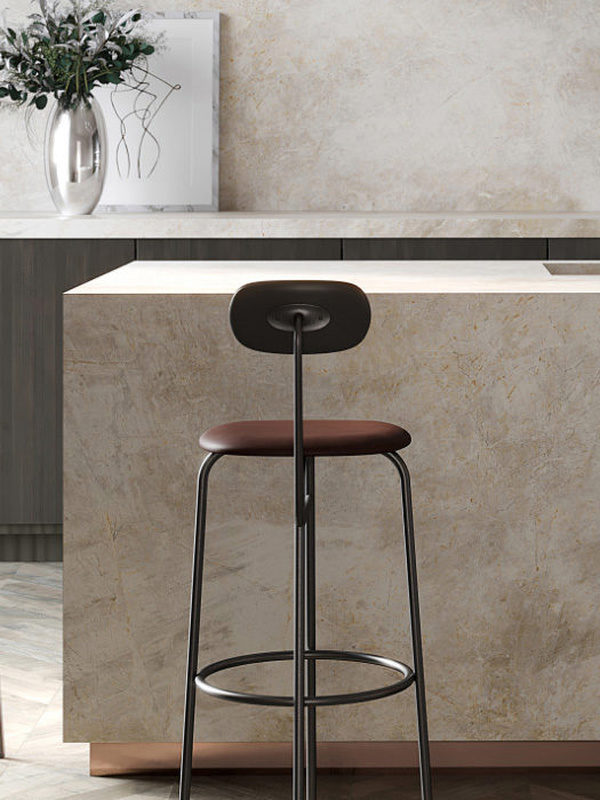
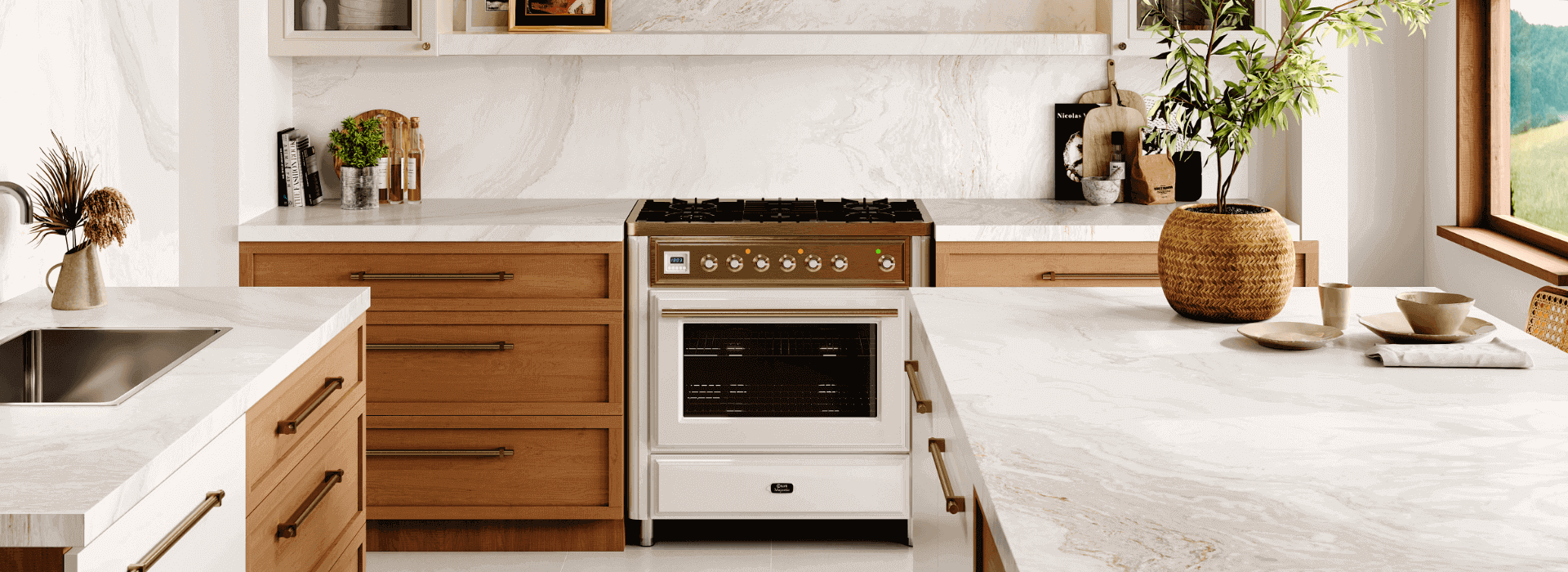
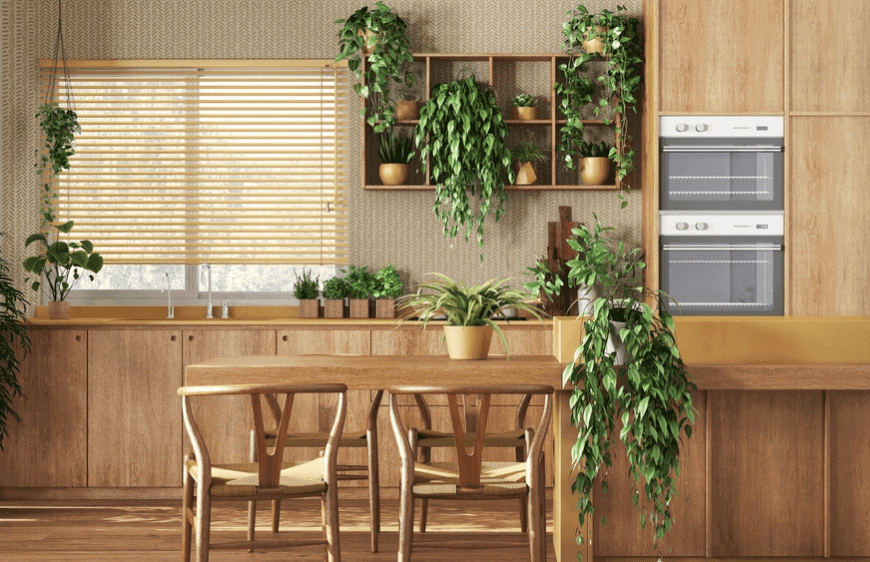
Wooden or stone worktops are among the first options that come to mind. With periodic care, these materials can last for years and are sustainable because they do not need frequent replacement. Wooden cabinets, left as natural as possible and coloured with paints that do not contain plastic, are also lasting, economical choices.Choose occasional furniture that can be bought second-hand or later serve another purpose, perhaps continuing to work elsewhere in the home. Plywood materials that cause fewer gas emissions are also essentials of this sustainable world.
Sustainable kitchens for cooking, organising and tidying
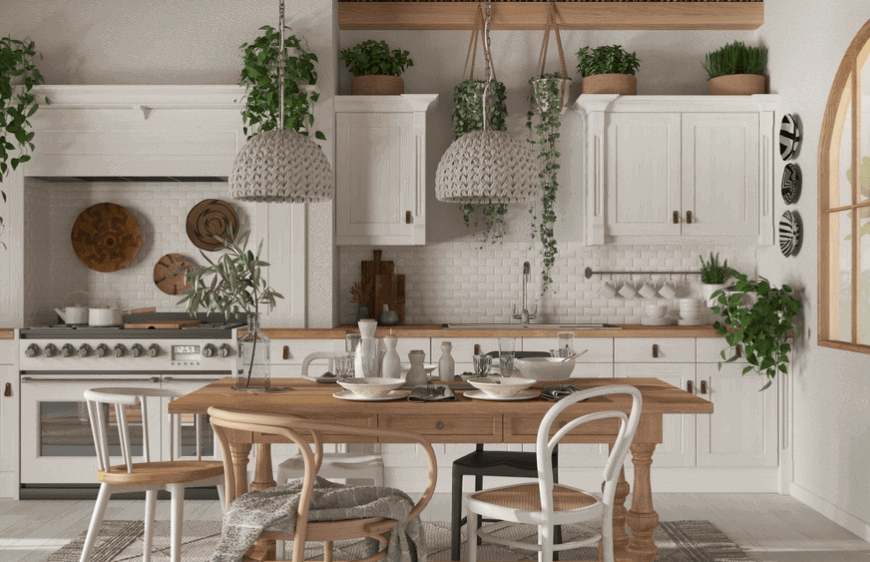
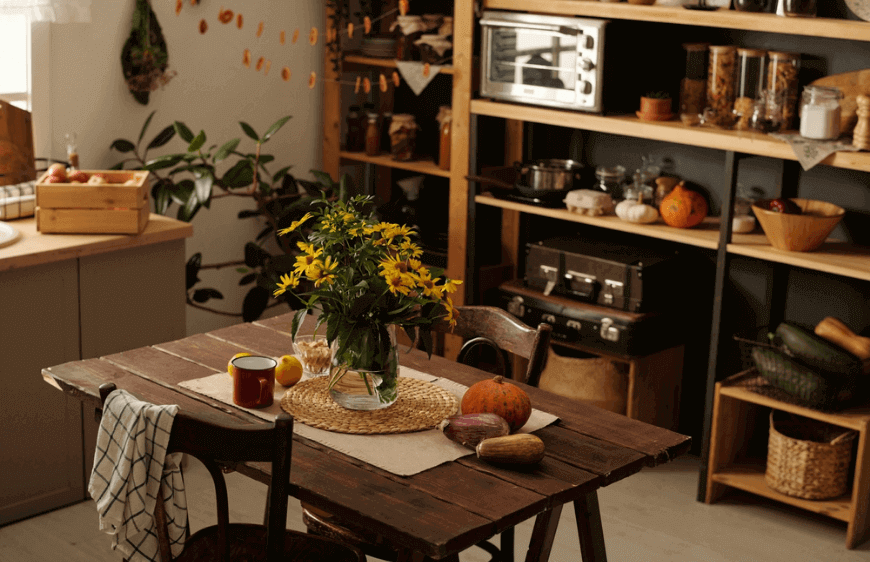
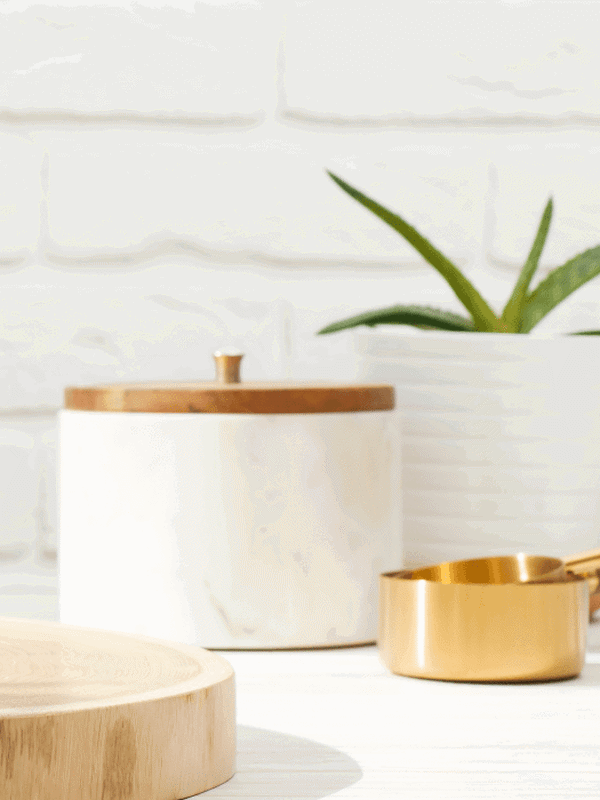
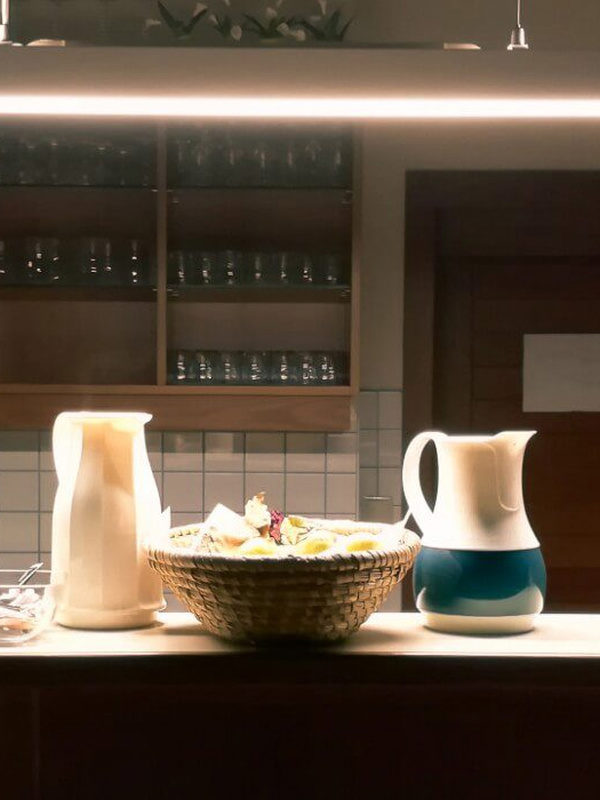
Remember to remove alternatives such as plastic containers, chopping boards and serving spoons from your life as far as possible. Make more room for products that come from and harmonise with nature, such as boxwood spoons, cherry-wood chopping boards and earthenware cookware.A more minimalist decorating style can create greater opportunities for sustainable choices in the kitchen. An orderly kitchen routine and functional products are other important complements to this approach.
A conscious approach to using the kitchen
Among your daily habits, consider using glass water dispensers rather than plastic ones, keeping the area in front of the window clear to make the most of daylight, adopting a kitchen-cleaning routine that avoids chemicals, and, above all, buying only what you need to reduce waste and rubbish.When choosing appliances, favour models with strong energy efficiency, one of the advantages of newer technology. LED lighting offers another contemporary way to support kitchen sustainability.