The climate crisis, energy use, carbon footprints… Sustainability, one of the most prominent concepts of recent years, is being explored through an increasingly detailed and comprehensive lens. Each day, we place greater value on a more considerate, environmentally conscious approach to our planet and become more familiar with the process. Alongside its positive effects on our lives, it naturally has economic implications too.Our consumption habits, shopping routines and preferences are being shaped by this multifaceted concept, which allows us to save while establishing a conscious, sustainable way of life. Household appliances are essential to our living spaces and, depending on daily use, among the products that consume the most energy. Understanding their features is an important part of becoming an informed consumer. Here, we bring together the energy class definitions most useful for sustainability and savings. Read on to explore how to distinguish between appliances and what to consider when buying them.
What Do Energy Labels Mean When Buying Household Appliances?
Ovens, dishwashers, tumble dryers, refrigerators… When buying the household appliances we rely on, we encounter energy labels. What do these energy classes mean, and how do products differ? Let us explore energy labels, a key to sustainability, to help us shop more consciously and develop more economical consumption habits.
What Does an Energy Class Mean?
If this is your first introduction to the subject, let us clarify what we mean. An energy class guides you towards savings and controlled energy use for a more sustainable lifestyle. It is a scale of different levels designed to answer questions such as how much an appliance in a particular class can save you and which products can help keep bills lowest.Quiet operation, reliable servicing and capacity are naturally important when buying appliances. At the same time, you should choose environmentally friendly products whose running costs will not strain your budget. Let us read the labels together.
How Does Energy Labelling Work?
This is a European Union system that enables an electrical product to be sold with appropriate criteria and presents those criteria to the customer on a label at the time of purchase. The label allows you to understand how a product uses energy and operates, helping you make an informed choice. When buying an electrical product, knowing whether its running costs will be manageable is valuable.
What Information Do Energy Labels Show?
Energy consumption in kWh
Energy efficiency class
Water consumption in litres
Capacity
Noise level in dB
How Do You Read Energy Classes?
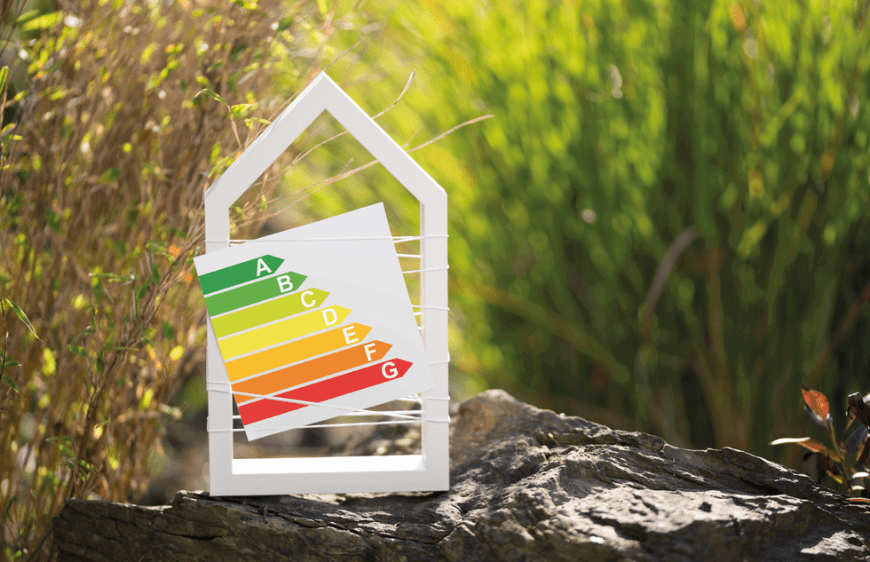
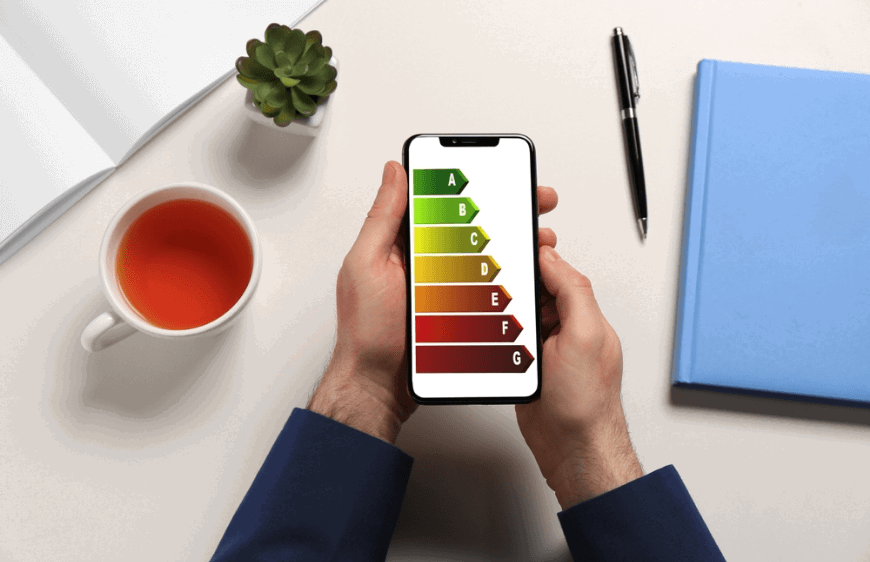
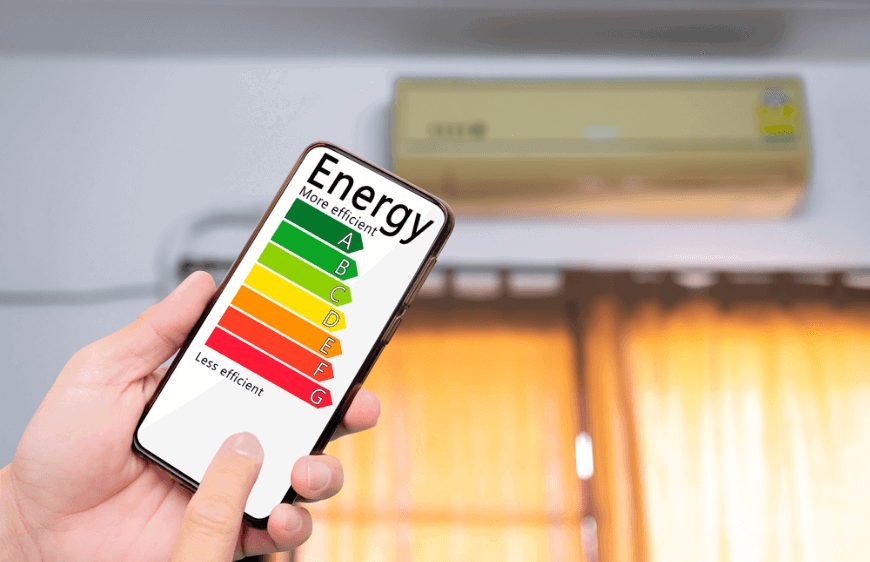
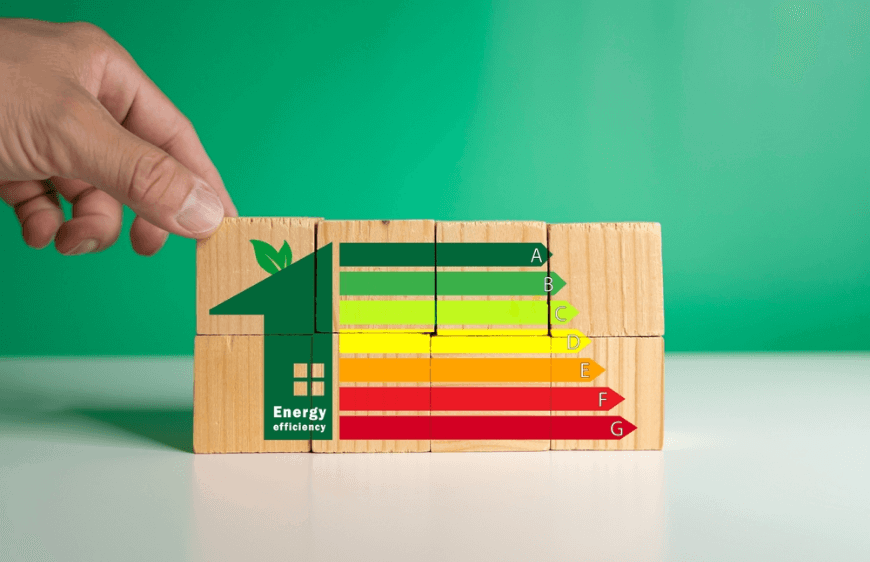
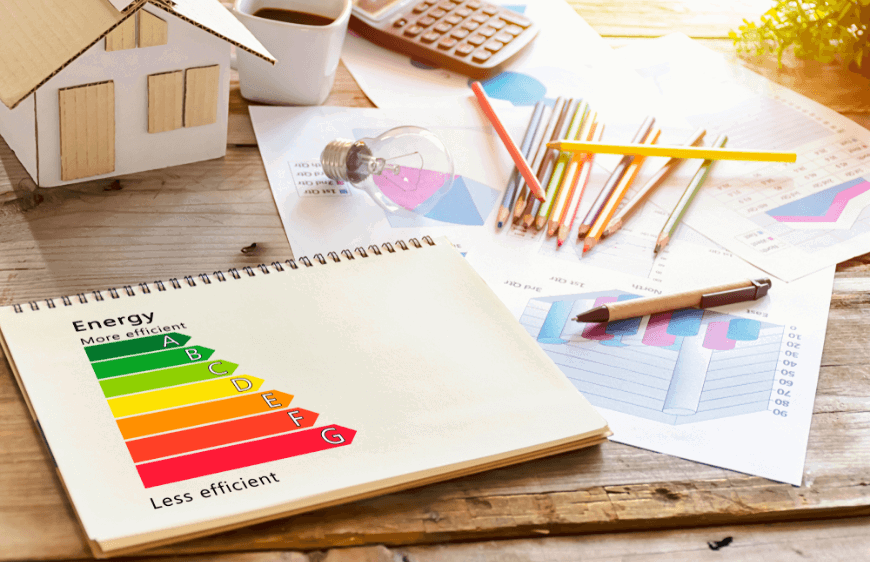
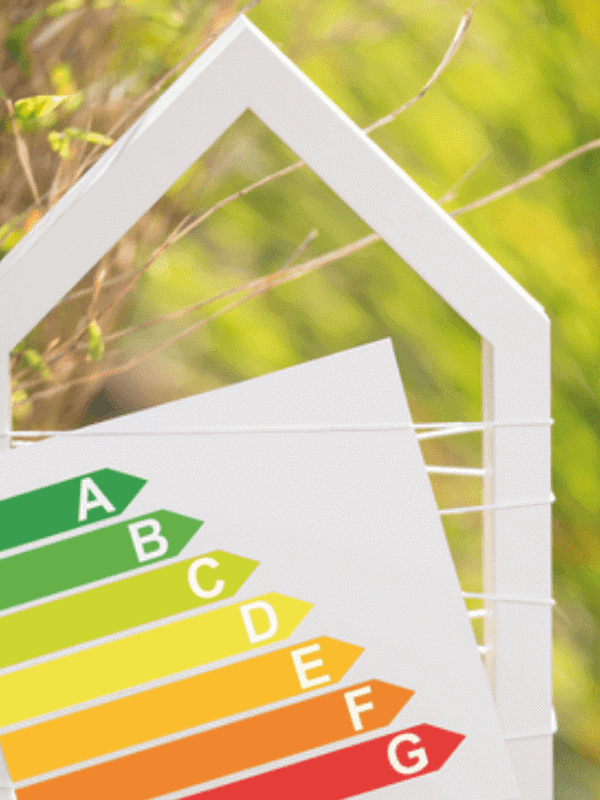
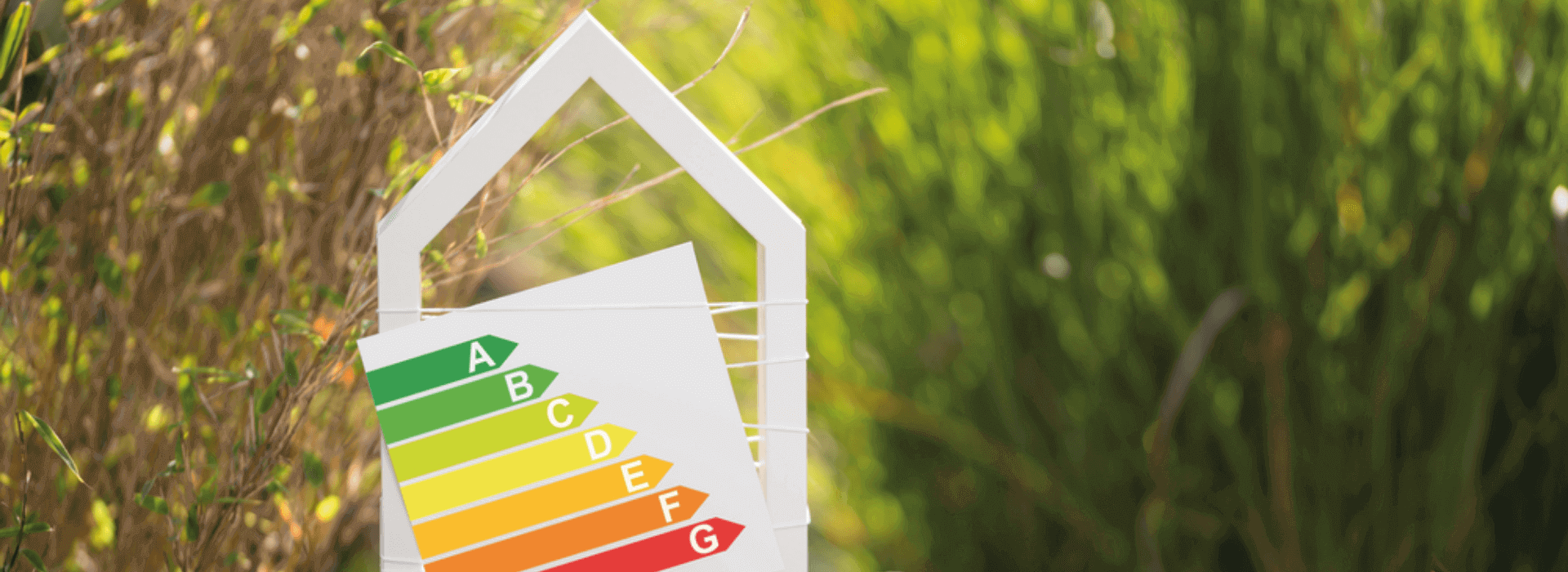
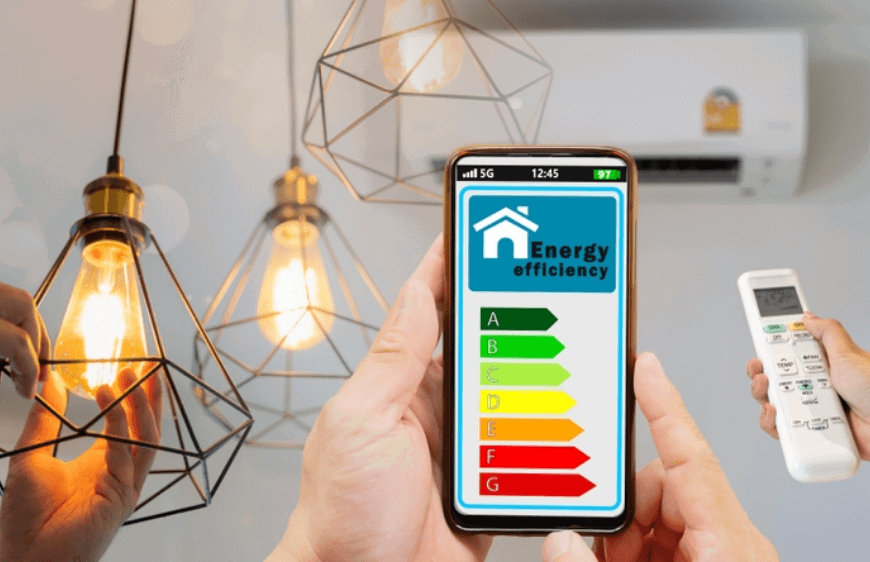
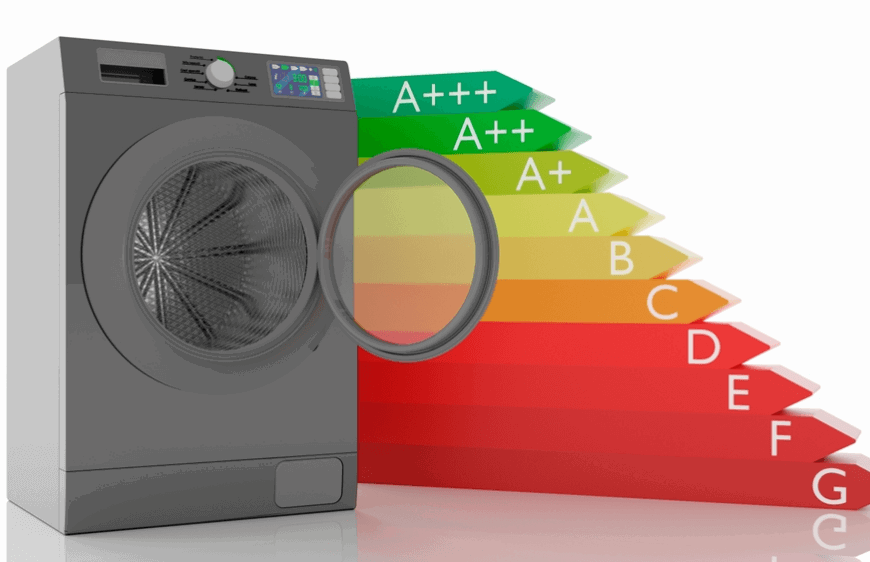
Energy classes, which show how efficiently an electrical appliance uses energy, run from A to G. On this scale, products in classes A and B use the least energy and offer the greatest savings. Products with average energy savings fall into class C. The remaining classes, D, E, F and G, represent less economical alternatives.What about the A+++ products we encountered until a few years ago? A+++ is an old designation that predates the EU's updated energy classification introduced on 1 March 2021. Under the new list, however, it corresponds to class F. In other words, when we see A+++, we are actually looking at a model with below-average energy efficiency and lower potential savings. In the new classification, moving further through the alphabet means saving less energy.
What Are the Characteristics of Average and Below-Average Energy Classes?
Energy class C: A class with moderate energy consumption. It follows classes A and B and is preferable to classes D and E. It is 13% less efficient than class B and 25% less efficient than class A.Energy class D: A below-average class that results in higher bills and is 16% less efficient than class C, the level above it.Energy class E: Lower than class D, this class is 32% less efficient than class C.Energy class F: This means the lowest energy efficiency and offers the least scope for savings.
How Can We Assess Energy Classes for Different Appliances?
Dishwashers: A noise level of 40–55 dB is considered suitable. Calculations are based on water consumption per wash, specifically in Eco mode. Using the appliance this way helps achieve the highest energy efficiency available within its class.Ovens: Examine the energy class options for fan-assisted and grill operation separately before deciding.Air conditioners: Assess energy classes separately for the indoor and outdoor units, and for heating and cooling functions.Refrigerators and freezers: It is useful to examine the refrigerator and freezer compartments separately. The recommended noise level is 39–45 dB.Washing machines and tumble dryers: Water consumption per wash is again calculated using Eco mode. Considering spin speed and load capacity can also help increase savings.Vacuum cleaners: In this particularly detailed category, factors such as suction performance on different floor types and dust retention are important. For example, vacuum cleaners with a high energy rating release much less dust back into the air.