What Is the Difference Between Porcelain and Ceramic, and Where Should Each Be Used?

What Is the Difference Between Porcelain and Ceramic, and Where Should Each Be Used?

Two materials drawn from nature and created by working the earth: ceramic and porcelain. Both are durable, long-lasting and able to fulfil practical roles in different settings. What distinguishes these two popular building materials? In this article, you will discover their differences, learn to recognise them more easily and find guidance on which to choose for your needs.

Porcelain and ceramic are two materials at the centre of our lives, appearing in countless roles. Their distinctive qualities make them popular alternatives to wood, metal and other materials. We encounter them in floors, vases, teacups and lighting, among many other uses. But how do these two versatile materials differ?What difference does it make whether a product is made from ceramic or porcelain? What advantages and disadvantages result? Are some uses better suited to one than the other? Welcome to our comparative guide, designed to answer these questions.

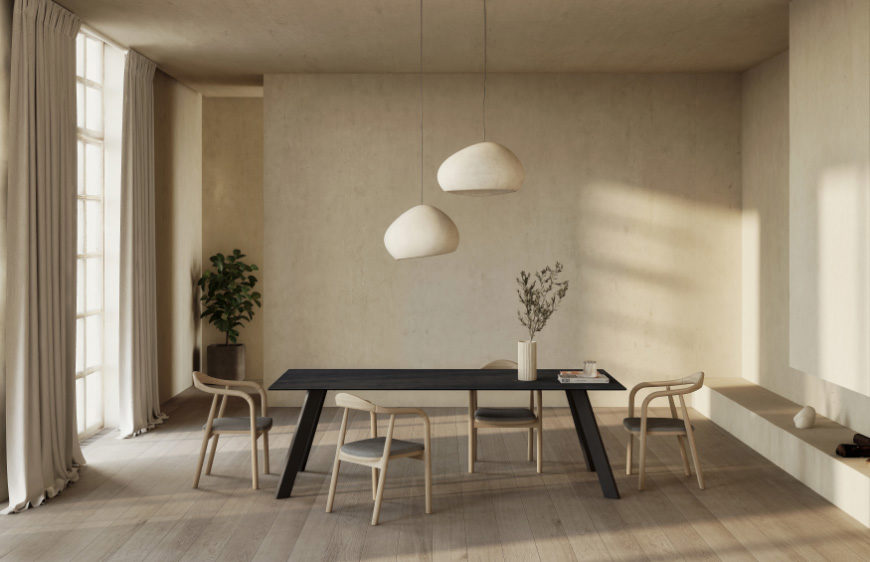
What is porcelain?

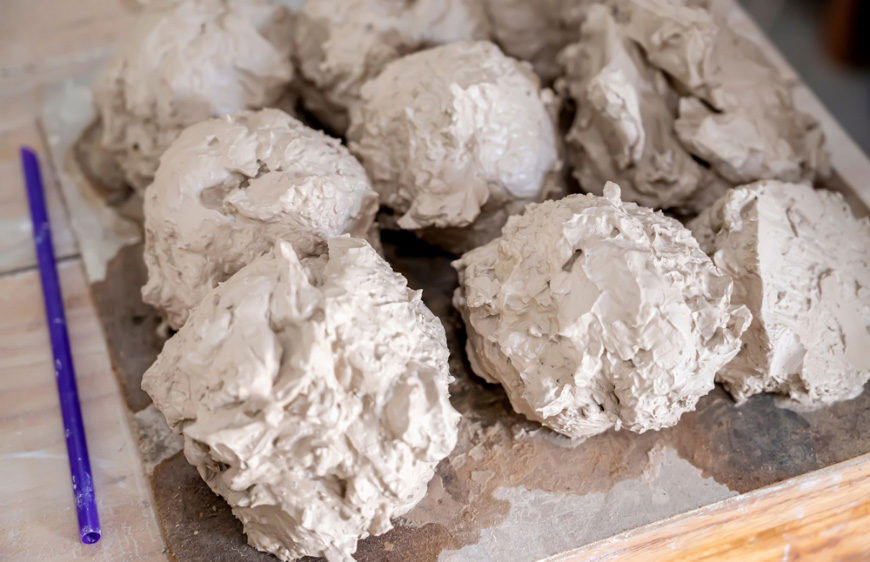
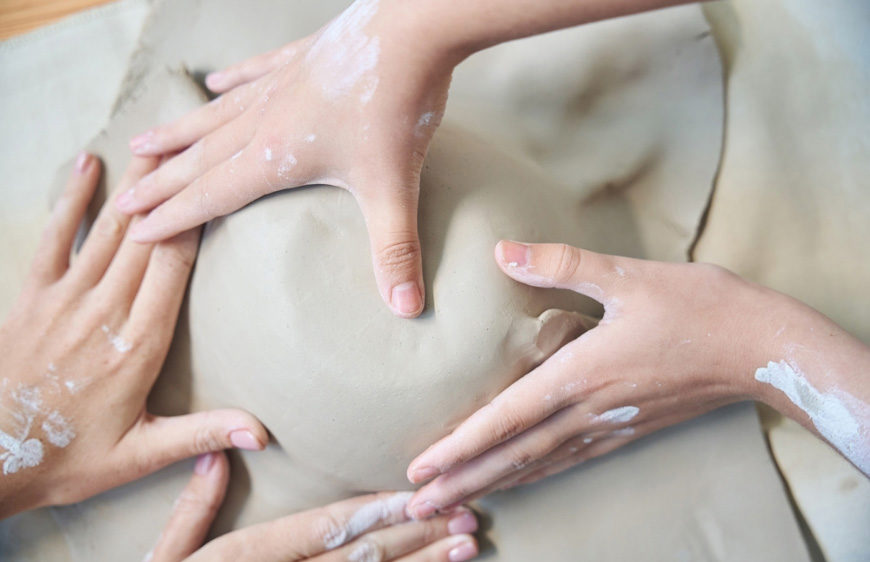
Let us begin with porcelain, the material produced by firing porcelain clay at a high temperature. The strength and hardness the clay mixture develops during firing are key to its usefulness. Although usually glazed, unglazed alternatives with a matt appearance are also available.The white raw material called kaolin is first ground into powder. Mixed with water to form a workable body, it is shaped using various techniques and fired at temperatures between 1,200 and 1,400 degrees. Traditionally white, the material is produced with a glossy appearance, although coloured alternatives are available too.

Enamelled porcelain is the name given to the new appearance created by an enamel coating. It has a more durable, scratch-free, glossy finish and is chosen for designs requiring enhanced durability.

Where is it used?

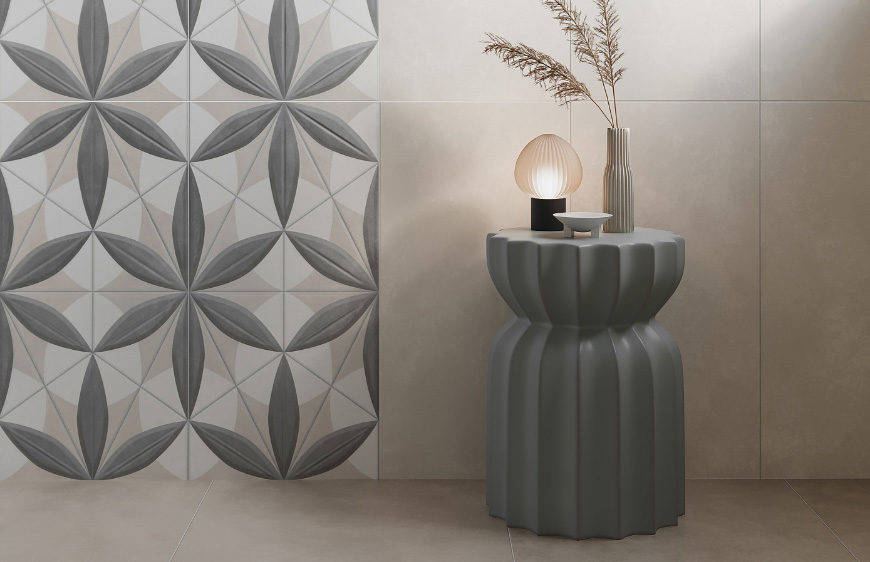
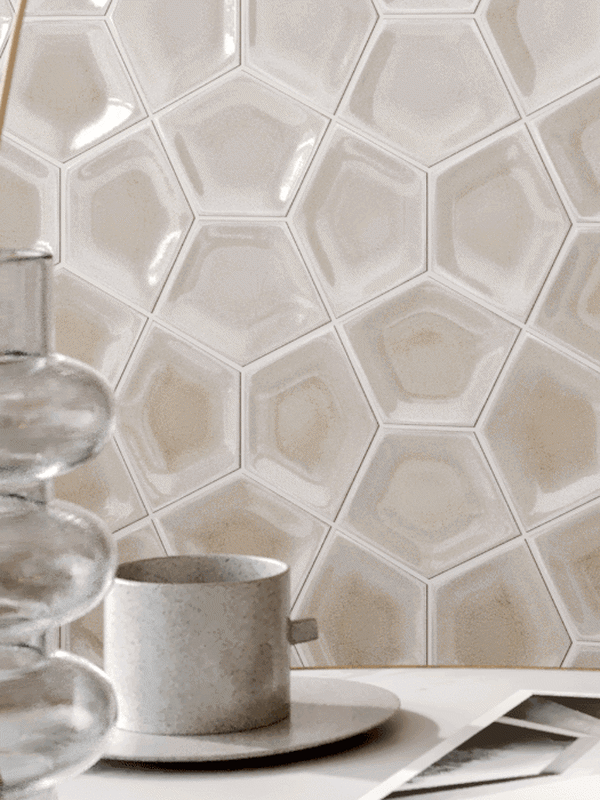
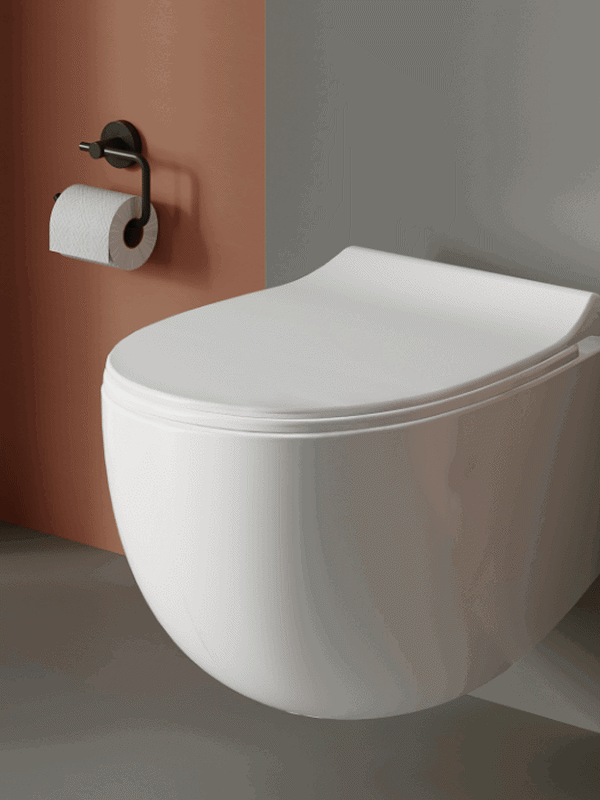
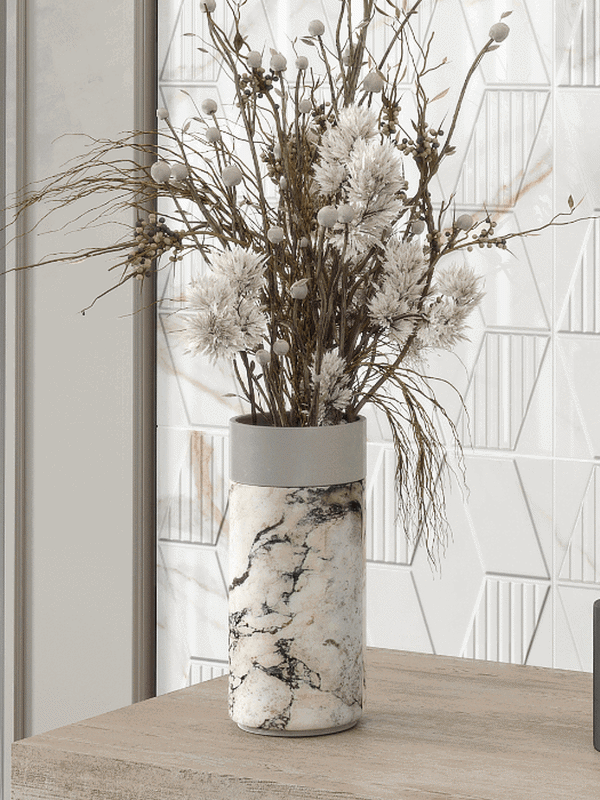
Porcelain creates a hygienic, durable surface and is used in medical applications such as dental veneers. Other uses include floor and wall tiles, sanitaryware, sculptures, dinner services, teacups, jewellery, technological components and machine parts.Its production process allows it to be used safely in dishwashers, ovens and microwaves without problems such as cracking. Glazed varieties are particularly common in kitchenware.

What are its properties?

Porcelain is durable, impermeable to water, safe for food contact and resistant to stains and fading. Its dense, non-porous structure is the strongest feature distinguishing it from ceramic. This gives porcelain products greater durability and resistance to deformation from water and stains. Glossy options, described as more durable than matt alternatives, are preferred for tableware.An ancient material with a long history, porcelain originated in China. Vases stand out among its earliest decorative uses. It first appeared as tableware after the 14th century, and its European story began in the 18th century.

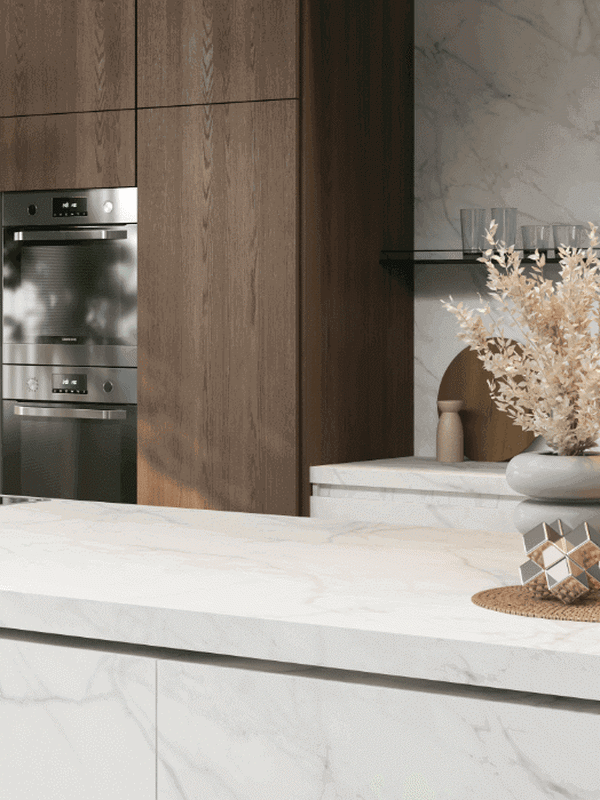
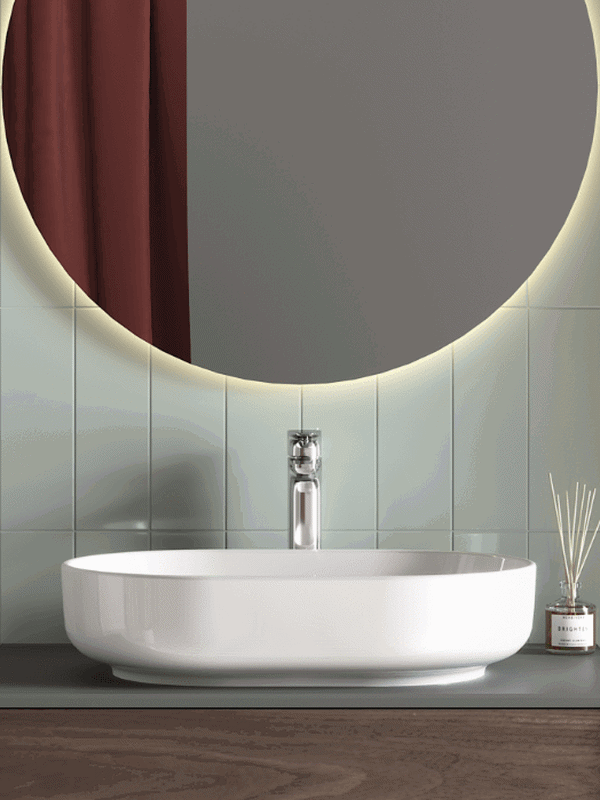
What is ceramic?

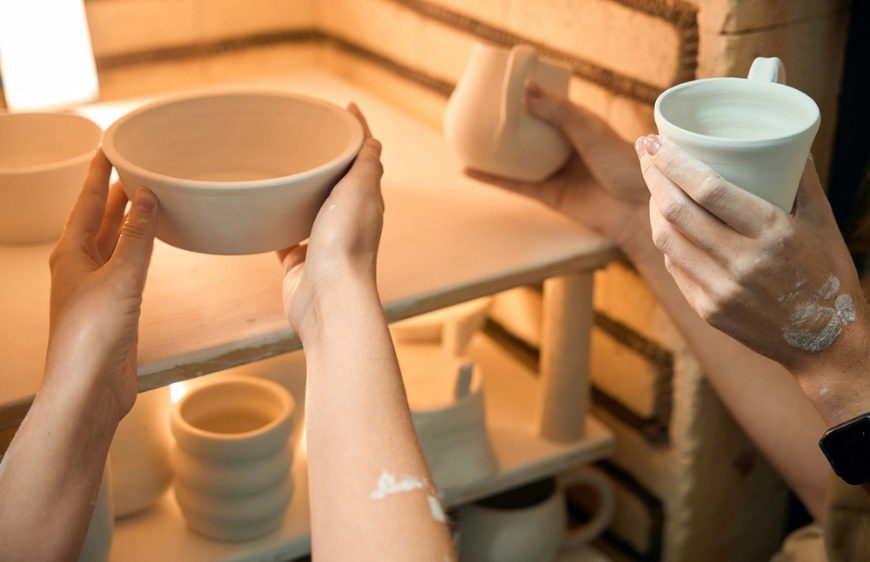
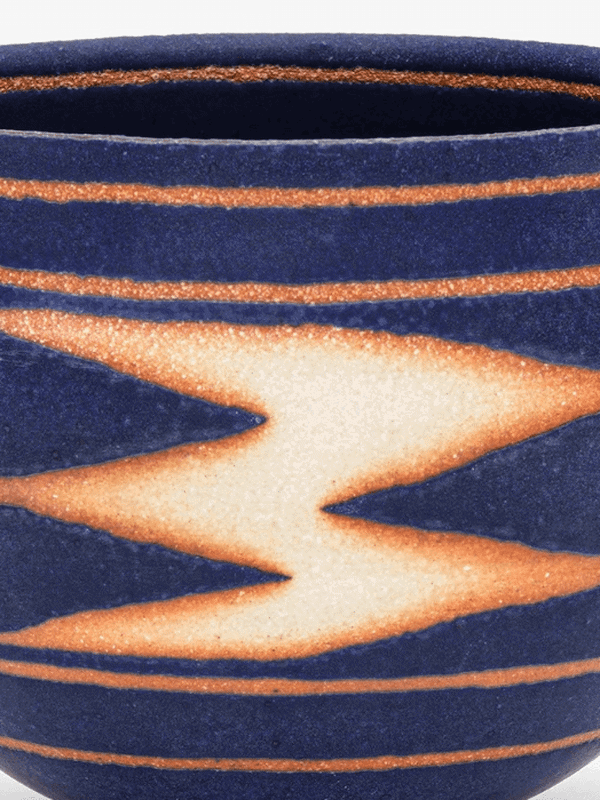
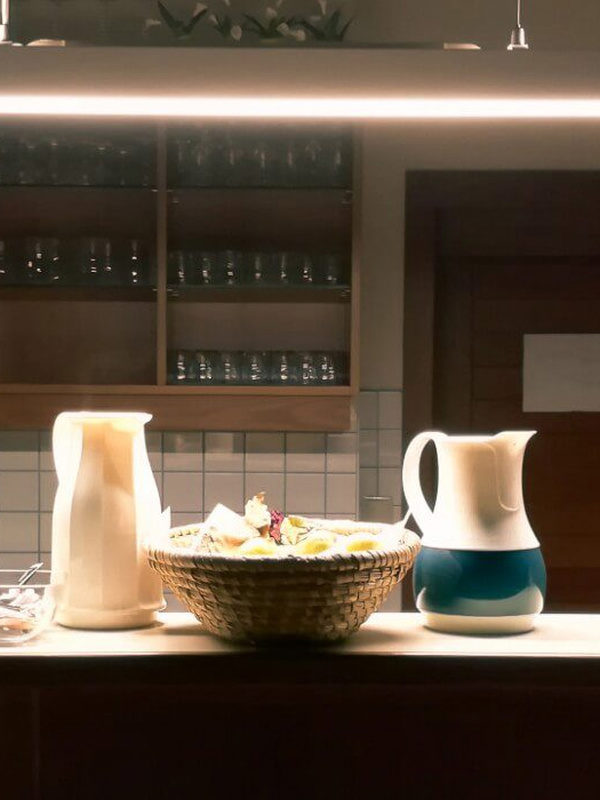
Derived from the Greek word keramikos, ceramic can be described in terms of pottery. Alongside the best-known mixtures made from clay minerals, there are also compositions using oxides, nitrides and carbides. Compared with porcelain, ceramics made from red rather than white clay have a less translucent, non-white appearance.Fired at lower temperatures than porcelain, around 800–1,000 degrees, ceramics are known for their more porous structure. While porcelain is glazed only on the inside, ceramics can be glazed on both internal and external surfaces. Their characteristic slight texture creates a more decorative appearance.

Where is it used?

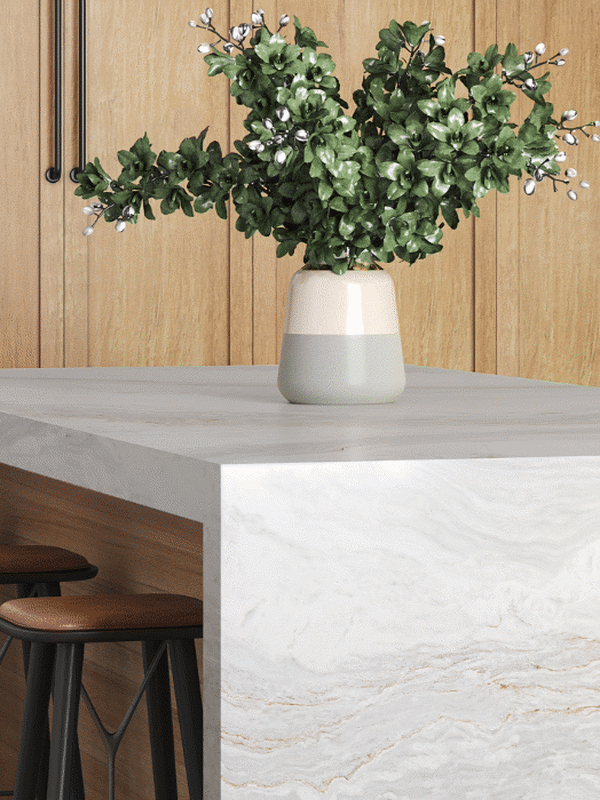
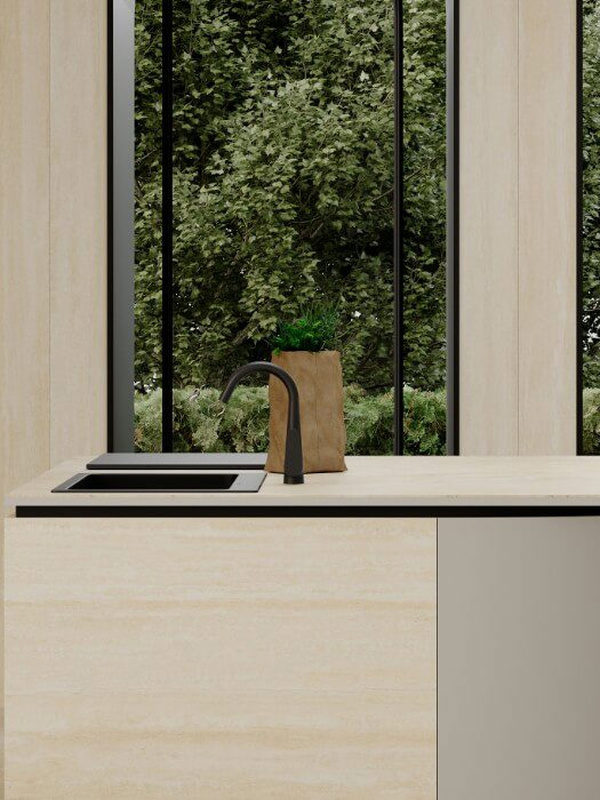
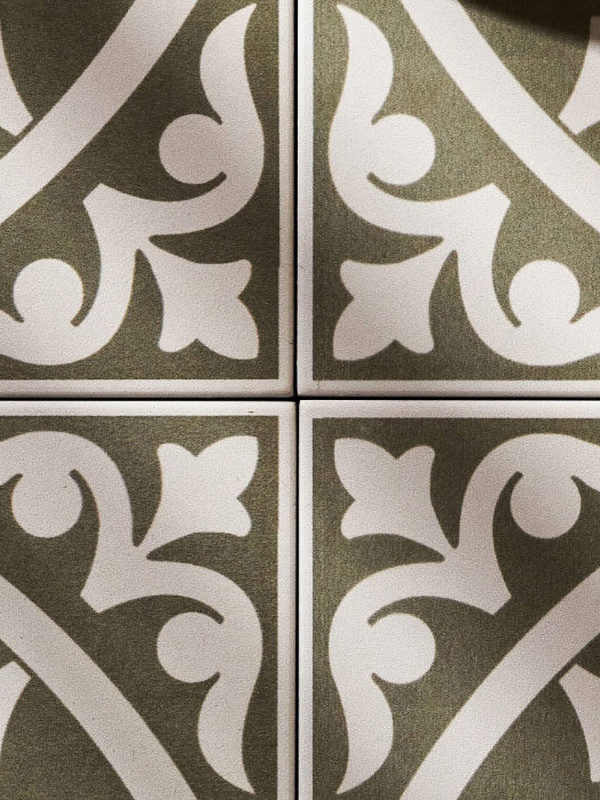
Applications include installations for conducting heat or electricity, vases, sculptures, artistic designs, plant pots, bowls, cup sets, tiles, kitchen worktops and floor and wall coverings.Ceramics are softer and more easily broken than porcelain. Despite their porous structure, they are also less impermeable than porcelain. Their lower translucency makes them particularly popular among architectural materials.

What are its properties?

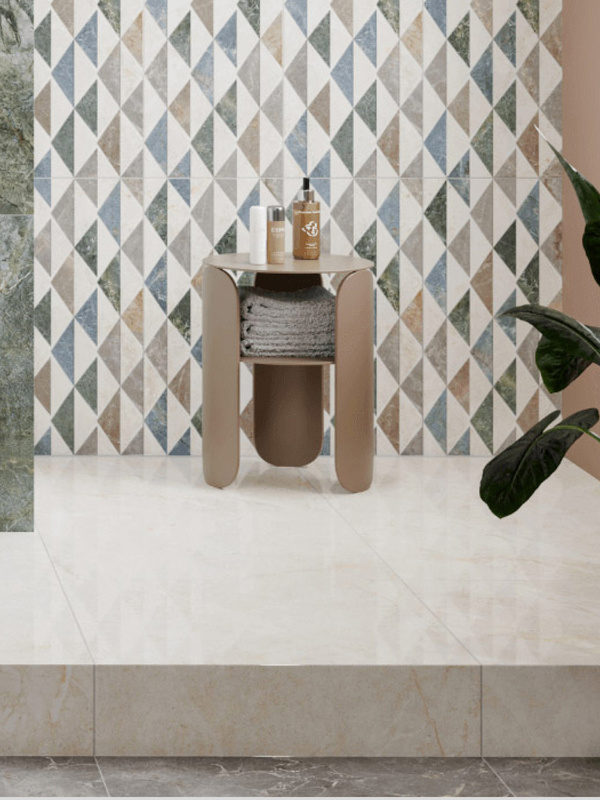
Ceramics are hard, resistant to wear and impact, able to conduct electricity and transmit heat, and hygienic and clean in character.Beginning with pots and vessels before expanding into art objects, ceramics have a long history. With lower production costs than porcelain and a colourful, lively appearance, they remain a favourite in decoration, especially for floor and wall coverings.

Mekanınızı yapay zeka ile birkaç saniyede yenileyin!

Mekanınızı yapay zeka ile birkaç saniyede yenileyin!

Seçtiğiniz ürünü evinizde görün.

Evinde Gör

Banyonuzu yeniden tasarlamaya ne dersiniz?

Banyoda Gör

Blog

Explore All

Compare

Compare
Compare